
Last updated November 17, 2026
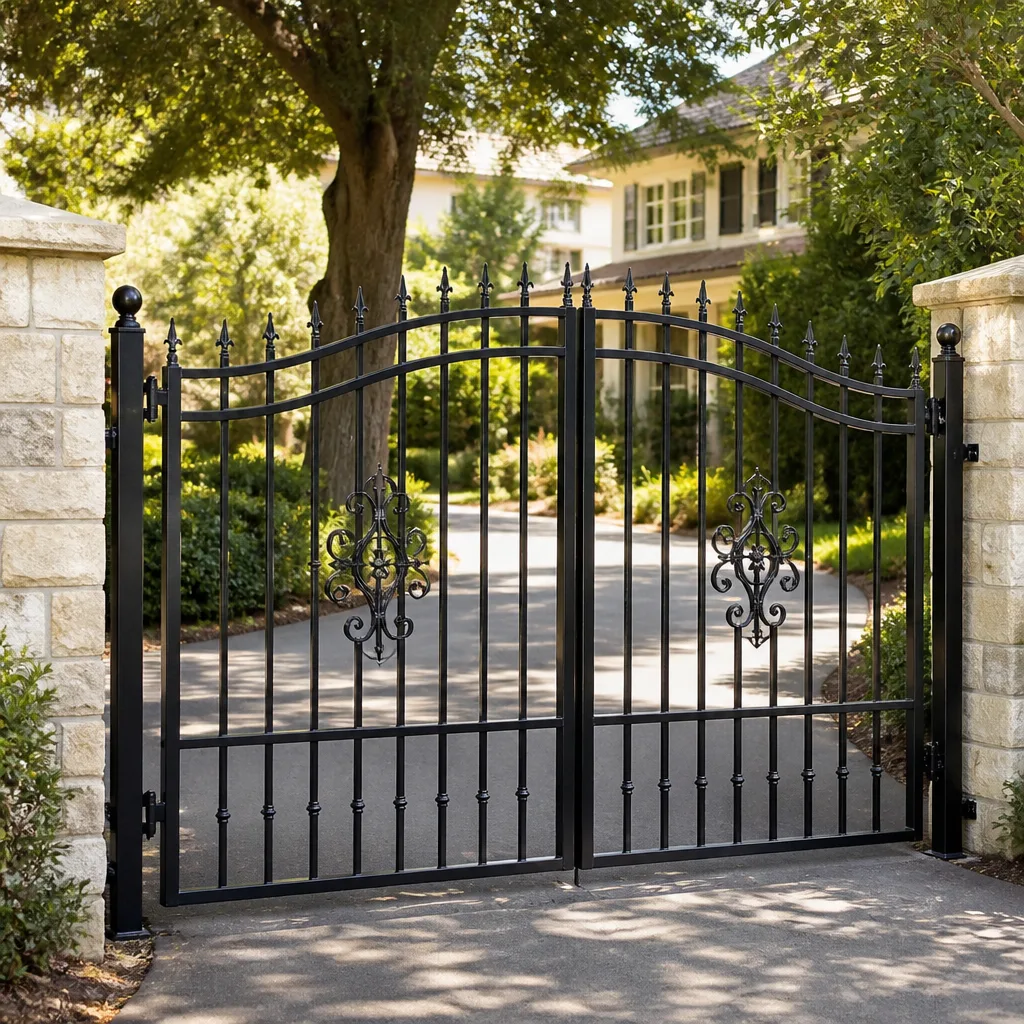 Wrought iron
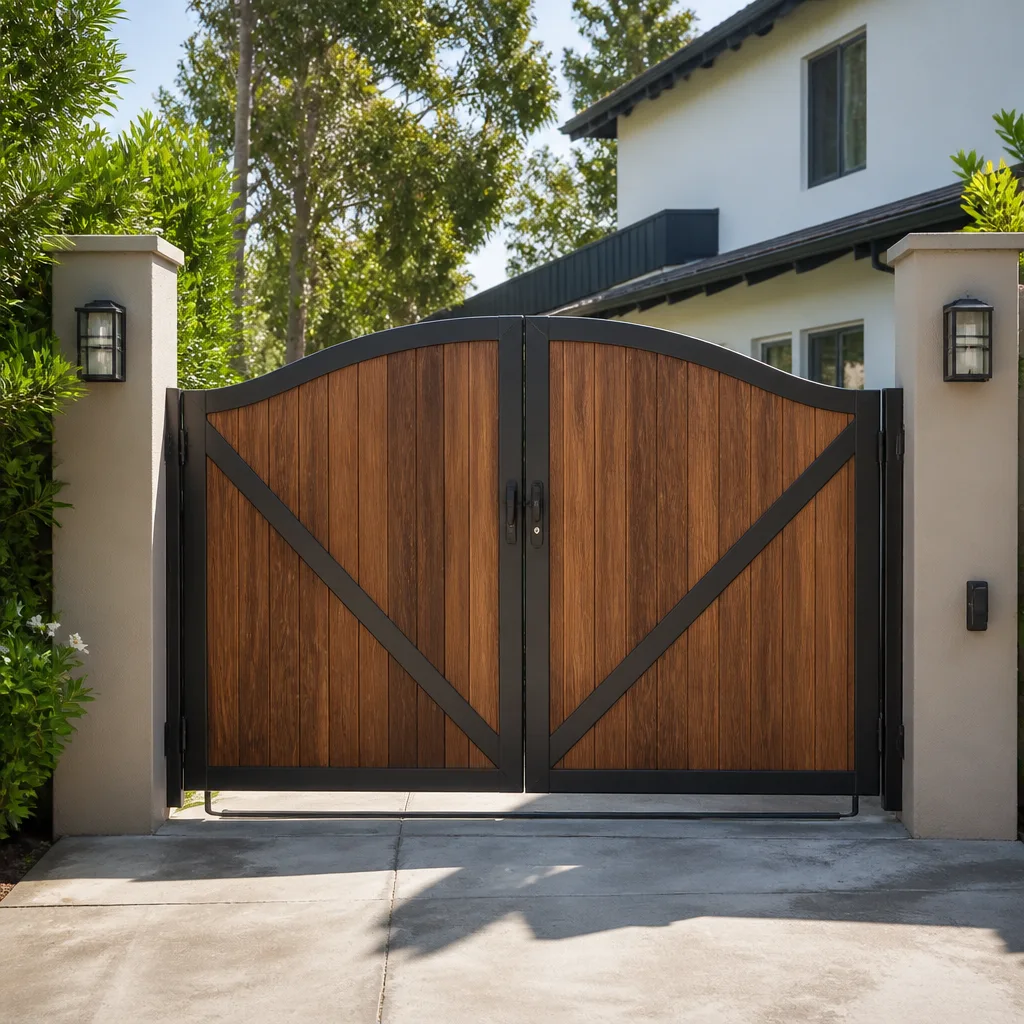 Wood & steel frame
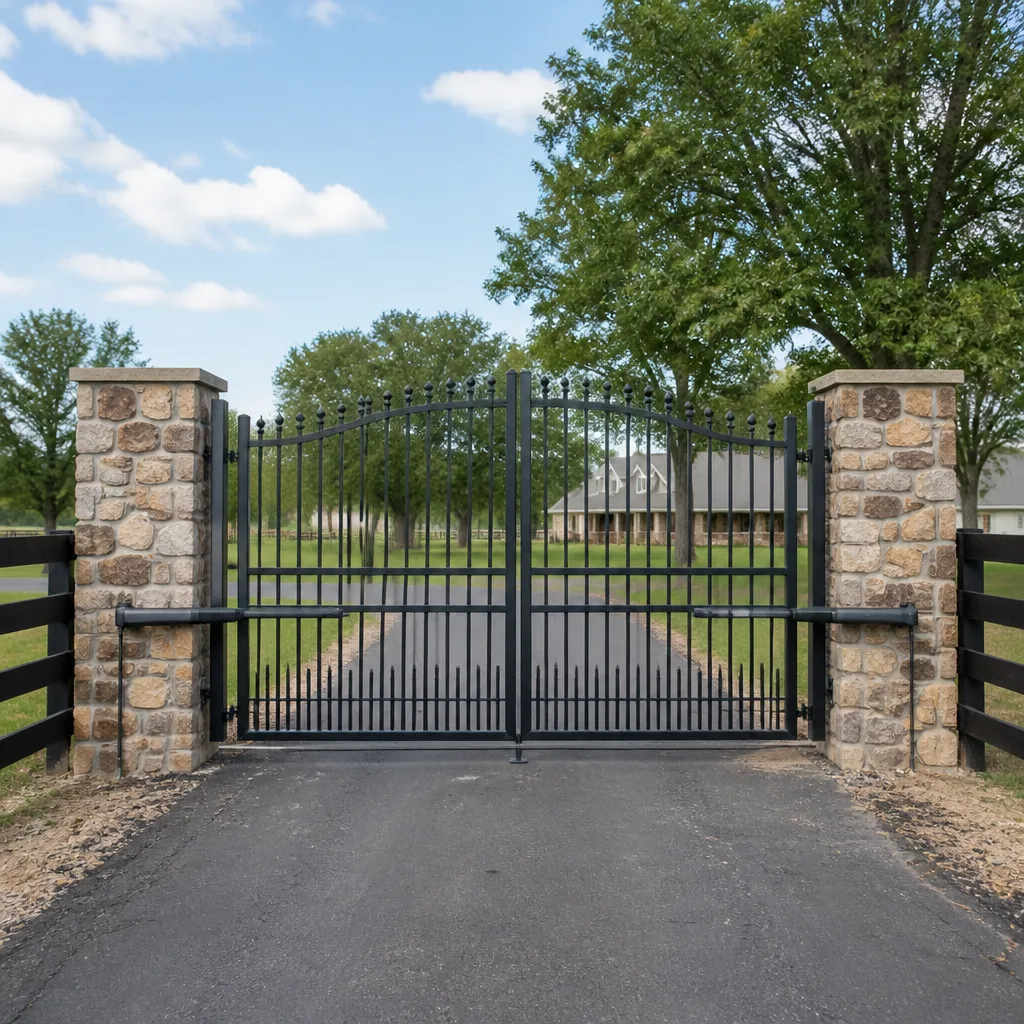 Farm & ranch
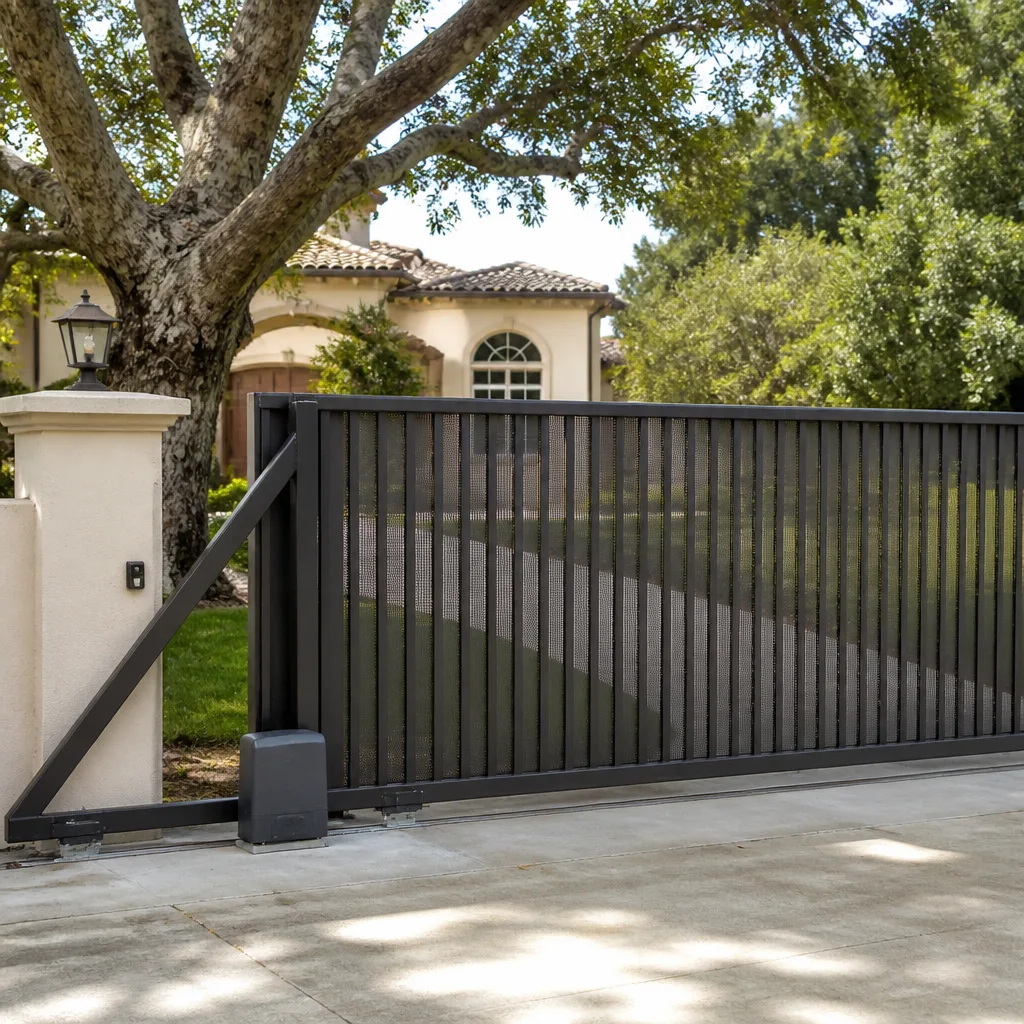 Sliding driveway gates
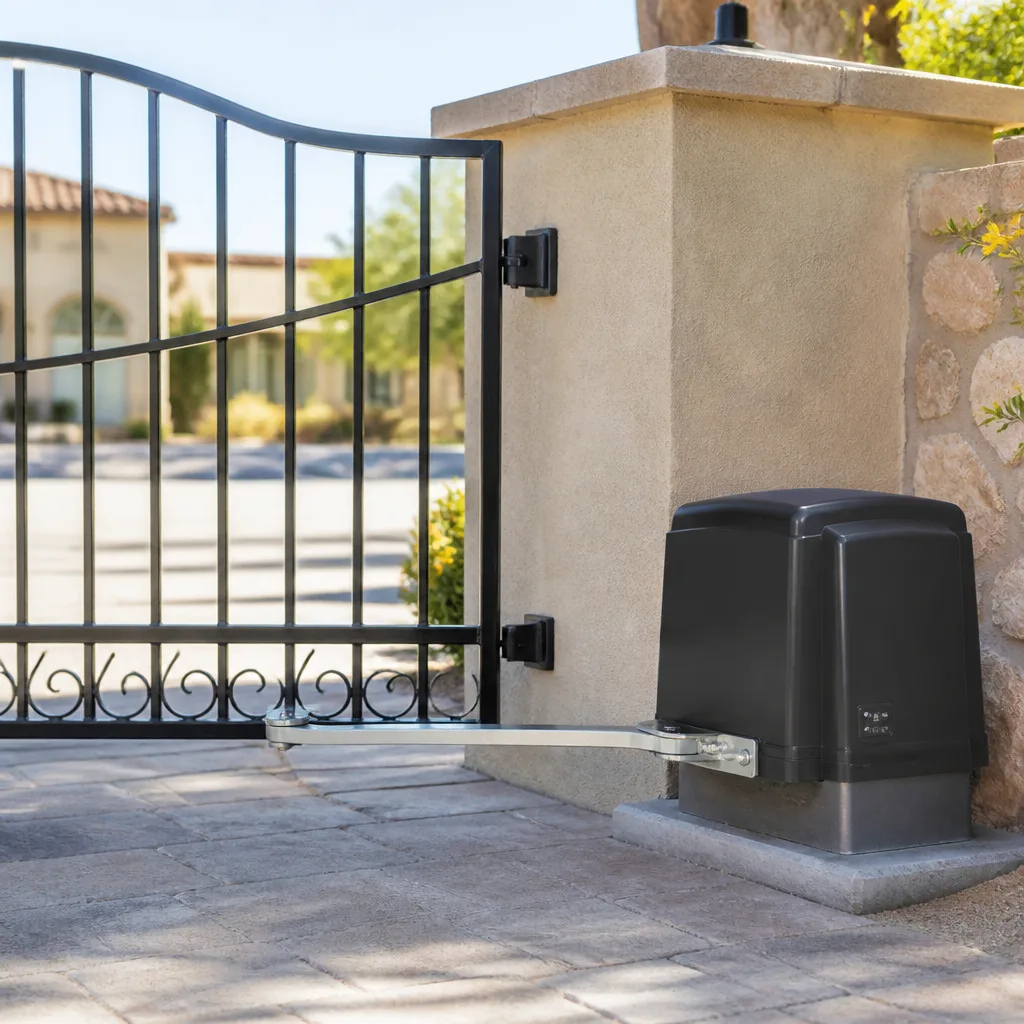 LiftMaster operators
Free on-site gate assessment - hinges, posts, and your LiftMaster or Nice gate operator checked before anything is quoted
The assessment is free and the quote is the invoice.
Get your free estimateHow Long Does Gate Motor & Opener Take? Timelines and What to Expect
If someone quotes you two days to install a gate opener on an existing, functioning gate, ask them to walk you through every hour. There are maybe six hours of real work in that job under normal conditions. We’ve installed and serviced openers across North Las Vegas for a long time, and the honest answer to “how long does it take” is a morning on a clean job and a full day or more when the gate wasn’t prepped for automation in the first place. The gap between those two realities is where homeowners get talked into padded timelines they didn’t need or rushed jobs that skip steps. This guide breaks the work into real phases with honest time ranges, explains what legitimately adds hours, and shows you how to tell the difference between a fair estimate and a sales pitch.
Quick Answer
A standard residential gate motor and opener installation on an existing gate that’s already in good working order takes about 4 to 6 hours of actual labor, so a single morning or early afternoon visit. Slide gate openers and jobs that need a new power run or a concrete trench can stretch to a full day or a two-day return. A pro who arrives at 8am can realistically hand you a working, programmed opener by early afternoon on a straightforward swing gate job.
Styles & brands we work with
- Wrought iron
- Wood & steel frame
- Farm & ranch
- Sliding driveway gates
- LiftMaster operators
Table of Contents
- The Real Phases of an Opener Install (With Honest Time Ranges)
- Why a Prepped Gate Takes About Six Hours
- When a Power Run Adds Hours (and Why)
- Swing Gate vs. Slide Gate: Why the Timelines Differ
- What “Same-Day” Actually Means
- Timeline Red Flags to Watch For
- North Las Vegas Factors That Affect Timing
The Real Phases of an Opener Install (With Honest Time Ranges)
Any opener install worth the money breaks down into four phases. Here’s what each one involves and how long it genuinely takes on a functioning residential gate.
- Site assessment and bracket fabrication (1 to 2 hours). The installer checks the gate’s swing, the hinge posts, the ground level, and where the opener will mount. On a gate that’s drifted or settled, brackets get fabricated on site to fit the actual geometry. This is where a good installer catches the sag before it becomes a callback.
- Mounting and mechanical installation (1 to 2 hours). The operator body, the arm or the rack and pinion, the brackets, and the manual release all get installed. Clean posts make this quick. A rusted hinge or a post that’s shifted makes it slower.
- Wiring and control box (1 to 1.5 hours). Running the low-voltage wire from the opener to the control box, connecting the safety edges, and landing the power connections. This phase is short if power is close and long if it isn’t.
- Programming and testing (30 to 60 minutes). Setting the travel limits, tuning the force settings, programming remotes and keypads, and testing the safety reverse. This is not optional and should never be rushed. For more on what happens after the install is complete, see our Gate Motor & Opener in North Las Vegas page.
Add those up on a clean job and you land between 4 and 6.5 hours. The variance is real. What matters is whether the person quoting you can separate the phases out loud the way we just did. If they can’t, that’s your first clue.
Why a Prepped Gate Takes About Six Hours
A gate that was built to be automated – solid hinge posts, level travel, no serious sag, clear ground clearance – genuinely installs in a morning. The reason is simple: every phase above compresses when the gate does what it should. Brackets get made once, not three times. The arm lines up. The operator’s force settings sit in the middle of their range instead of at the top, which tells you the gate is moving freely rather than fighting the ground or a bent post.
Here in North Las Vegas, we see a lot of gates that were built for manual operation and then somebody bolted an opener on years later without touching the posts. Our dry climate keeps wood from rotting and metal from rusting as fast as it would near the coast, but it also means the ground shifts hard with the wet season and back, and hinge posts settle. A settled post will fight an opener forever. That’s why the site assessment phase comes first, and why we start with the hinge post, not the middle of the gate.
Two conditions make a job a true six-hour install:
- The gate is level and swings or rolls freely by hand.
- Power is available within a reasonable distance of the control box, usually an existing outlet or circuit on the same side of the driveway as the opener.
When both are true, the install is a morning. When either one isn’t, the timeline moves – and it should. Rushing the bracket phase to make a morning window is how gates end up dragging on the ground three months later with a motor working twice as hard as it should.
When a Power Run Adds Hours (and Why)
This is the single biggest variable homeowners underestimate, and it’s also the number that gets hidden in “we’ll figure it out on the day.” A power run adds meaningful time when the nearest usable outlet sits on the far side of a concrete or asphalt driveway that has to be trenched under, rather than a short run across gravel or landscaping.
Here’s what that adds:
- Locating and marking (30 to 60 minutes). Finding the circuit, checking load capacity, and marking the trench path so nothing gets cut.
- Trenching under hardscape (2 to 5 hours, sometimes more). Concrete and asphalt don’t give. A long driveway crossing can eat most of an afternoon on its own.
- Conduit, pulling wire, and patching (1 to 2 hours). Running conduit, pulling the conductors, and restoring the surface so it looks like nobody was there.
Some North Las Vegas properties have the outlet box already on the gate side, some have it fifteen feet away, and some have the meter on the opposite wall of the house. In our experience, that last case is what stretches a one-day opener job into two days, and it’s worth asking about up front. A qualified installer should tell you the power situation before the day begins, not after they’ve already got the trench open. Our Gate Repair in North Las Vegas crew often finds the trade-off worth pointing out: rerouting the run along an existing fence line can save hours of concrete work.
Swing Gate vs. Slide Gate: Why the Timelines Differ
A swing gate opener and a slide gate opener are not the same job with a different box bolted on. A swing gate opener installs on the gate’s existing hinge geometry, so once the post is solid and the brackets are fit, the arm goes on and you’re into programming. That’s the 4-6 hour range.
A slide gate opener requires the gate to travel in a straight line along a rack, and that rack has to be mounted and aligned with real precision. Here’s where the extra time goes:
- Rack preparation and alignment (1 to 2 hours). The gear rack has to be mounted on the gate’s underside or edge at a consistent height so the pinion engages cleanly through the entire travel. A few millimeters of drift and the gate binds.
- Ground track or cantilever check (1 to 3 hours). A track-mounted slide gate needs the track itself level and clear. A cantilever gate needs its rollers or chassis verified before the opener ever goes on.
- Travel and limit tuning (30 to 90 minutes). Slide gates have longer travel distances and more limit settings to dial in, so programming runs longer than on a swing gate.
We’ll often add a day to a slide gate install estimate just to be honest about the rack work, and then finish early. The brands we work with most – Viking, Ghost Controls, Elite – each have their own rack kits and mounting patterns, so we quote the specific brand and model rather than a generic figure. If you’re pricing a new gate and opener together, our Gate Installation in North Las Vegas guide covers how the gate itself affects the opener timeline.
What “Same-Day” Actually Means
“Same-day” means one crew arrives in the morning and leaves with a working, programmed, tested opener before they’re off the property. It does not mean someone shows up at 4pm and tells you the job will pick up tomorrow. On a straightforward swing gate install with power already in place, that morning-to-early-afternoon window is genuinely realistic.
What “same-day” doesn’t cover:
- Jobs where the power run requires trenching under concrete, which can add hours and occasionally a return trip.
- Slide gate installs that need rack fabrication or a track repair before the opener can go on.
- Installs where the gate itself needs structural work (a rotted post, a broken hinge) before the opener can be mounted safely.
We tell North Las Vegas homeowners we’ll quote the honest window before we start, and we’d rather say “this is a two-visit job because of the power run” than earn a same-day badge at the cost of an opener that fights a settled post for the next five years. Fix the panel without the post and you’ll fix it twice.
Timeline Red Flags to Watch For
The single clearest red flag on a standard residential opener install is an installer who needs three separate visits. A prepped gate opener is a one-visit job. If it’s not, something is off – either the gate was never assessed properly, or the timeline is being padded to upsell work that wasn’t needed.
Other signals worth paying attention to:
- A quote with no phase breakdown. A real estimate breaks the work into assessment, install, wiring, and programming. A flat “it’s a full day” with no detail is a flat guess.
- “We’ll see how the power goes.” The power path should be determined before the job starts, not discovered mid-trench.
- Programming left for the next visit. If the opener isn’t programmed and tested before the crew leaves, the job isn’t done.
- The gate isn’t checked by hand first. If your installer doesn’t push the gate through its full travel to feel for drag, they haven’t started the job the right way.
- Pressure to skip the 90-Day follow-up. A guarantee is only as good as the company’s willingness to come back if something drifts in the first 90 days.
North Las Vegas Factors That Affect Timing
Local conditions make a difference in what we can promise on timing. The ground here expands and contracts hard with the wet season, and that movement is what we see more than anywhere else. A hinge post that was perfectly set a few years ago can shift, and the gate starts to sag or drag. We plan the assessment phase around this – sometimes the opener install shifts to a post repair first, which adds a few hours but prevents the opener from working overtime for years afterward.
Heat is another factor. Working in summer afternoon temperatures is hard on the crew and hard on some of the components, so we schedule installs to use the morning window. If you’re in the outlying neighborhoods of North Las Vegas where the driveway is longer and the power is farther from the gate, the conduit phase becomes the dominant variable in the timeline.
What doesn’t change: every quote we give is written, the price is agreed before any work starts, and the 90-Day Done Right Promise is stamped on the job in writing. You can walk into our Gatewood Fence & Gate North Las Vegas home page and see the address and license number, and drive over if you’d rather look us in the eye.
Common Mistakes to Avoid
- Bolting the opener onto a gate that sags. A settled hinge post makes the opener work twice as hard, and the motor fails early. Check the post first. In North Las Vegas, our dry climate keeps posts from rotting fast, which makes a settled post easy to miss without a hand-push test.
- Skipping the power assessment. Homeowners who let the installer “figure out the power on the day” end up paying for a trench decision made in haste. Get the power path quoted up front.
- Accepting a generic timeline with no phase detail. “It’s a full day” tells you nothing. Ask how the work splits across assessment, mount, wiring, and programming – and listen for whether the answers line up.
- Buying an opener before the gate is inspected. A rack, an arm, and a control box all depend on the gate. Inspect, then buy, then install. Doing it out of order is how you end up with parts that don’t fit.
- Ignoring the safety edges as “extra.” A gate opener without working safety reverse is a hazard. Every install we do includes testing it before we leave.
- Assuming all gate brands install the same way. A Viking, a Ghost Controls, a DoorKing, and an Elite each have different mounting and programming steps. The timeline assumes your installer knows the brand, not just openers in general.
- Letting the worst-case install timeline hide a price change. The price should be quoted and agreed before any work starts. If it moves at the door, call us for a free second opinion on their written estimate before you sign.
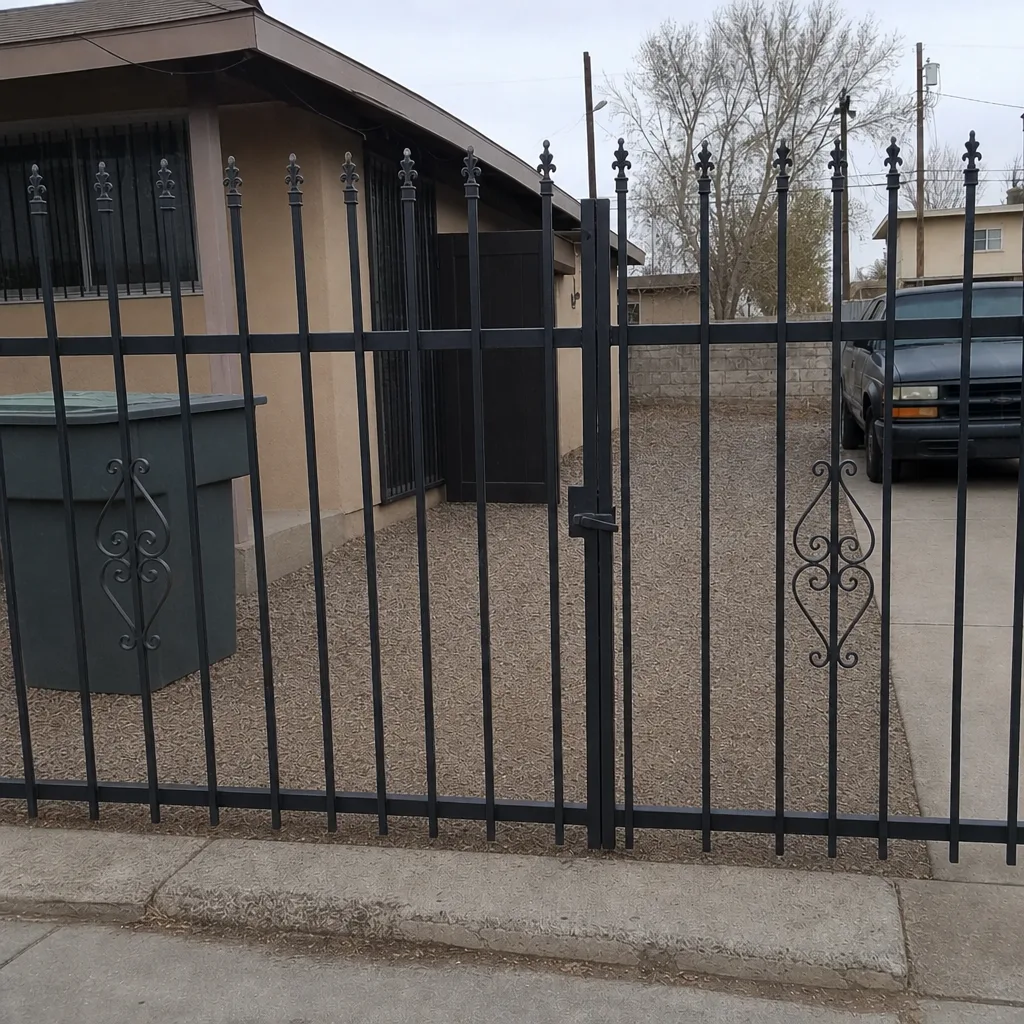
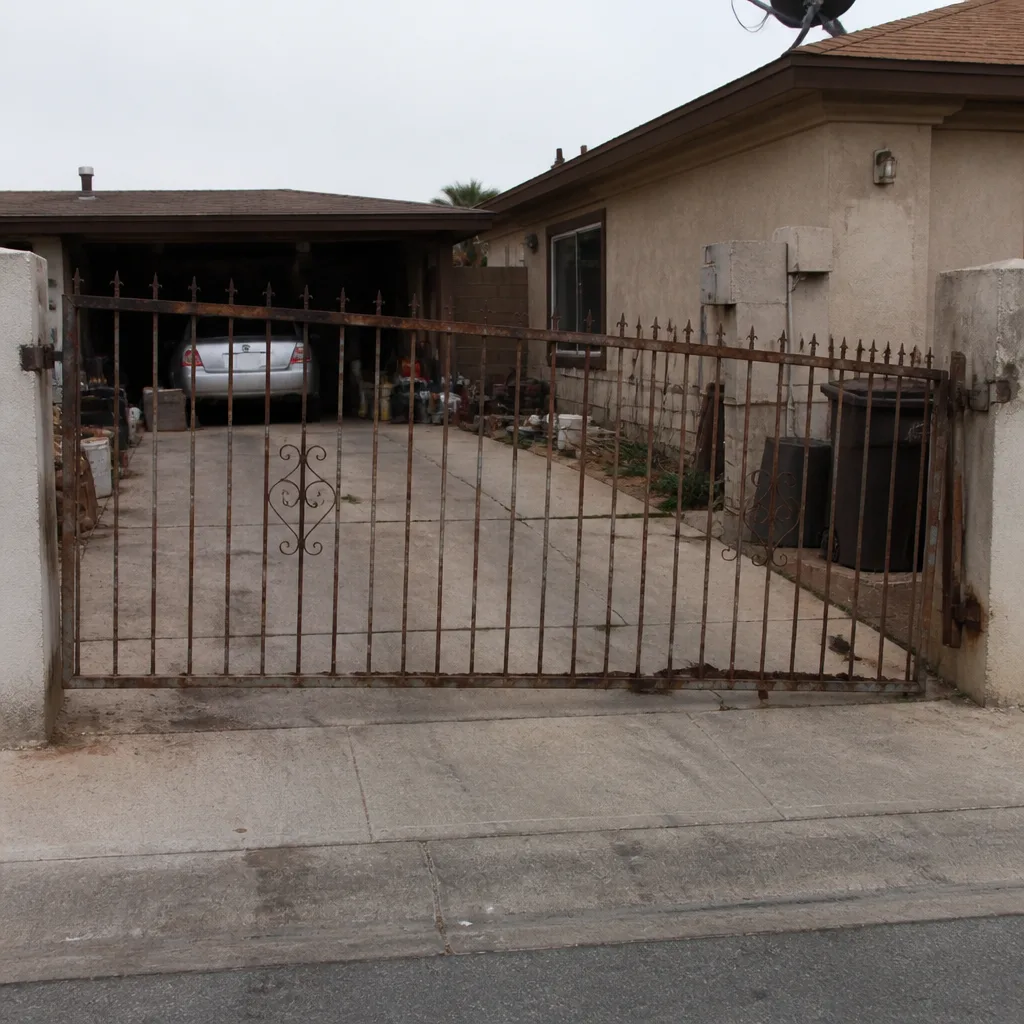
See the difference
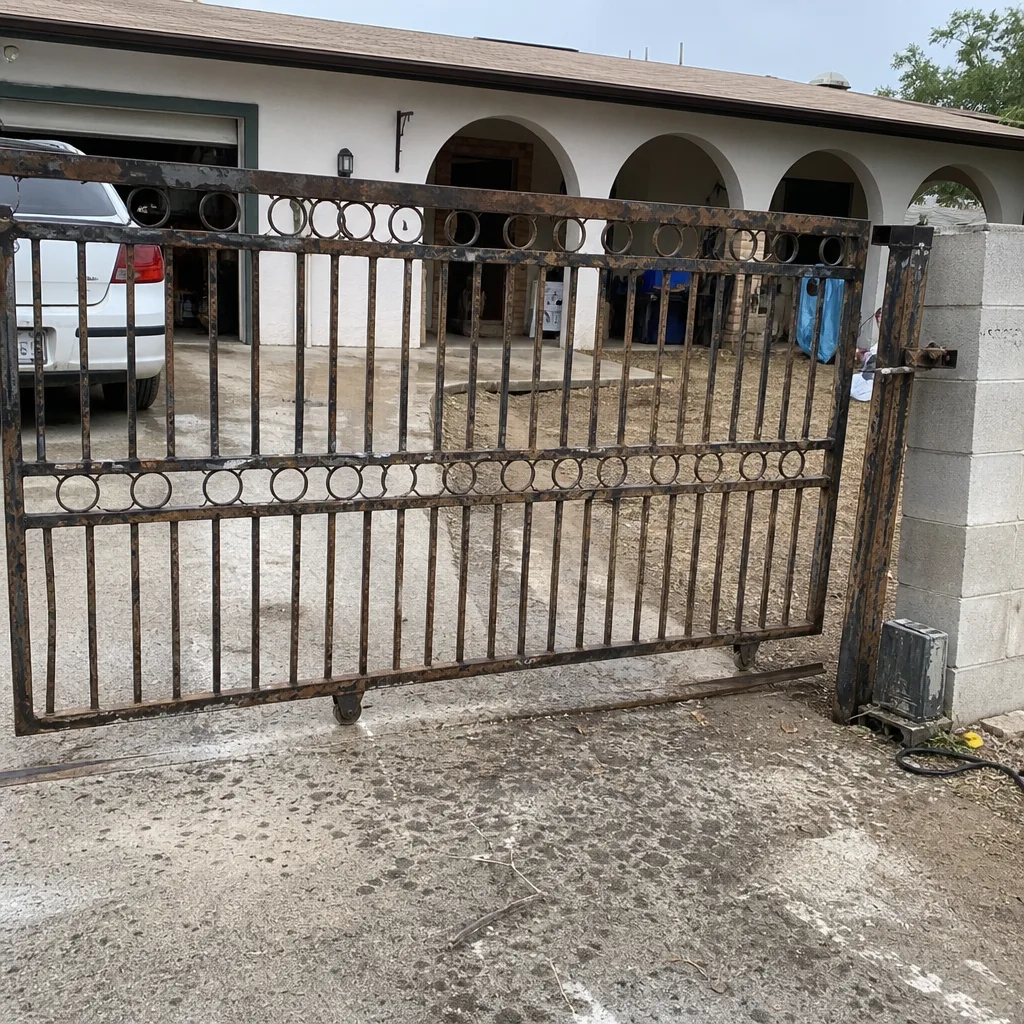 Before
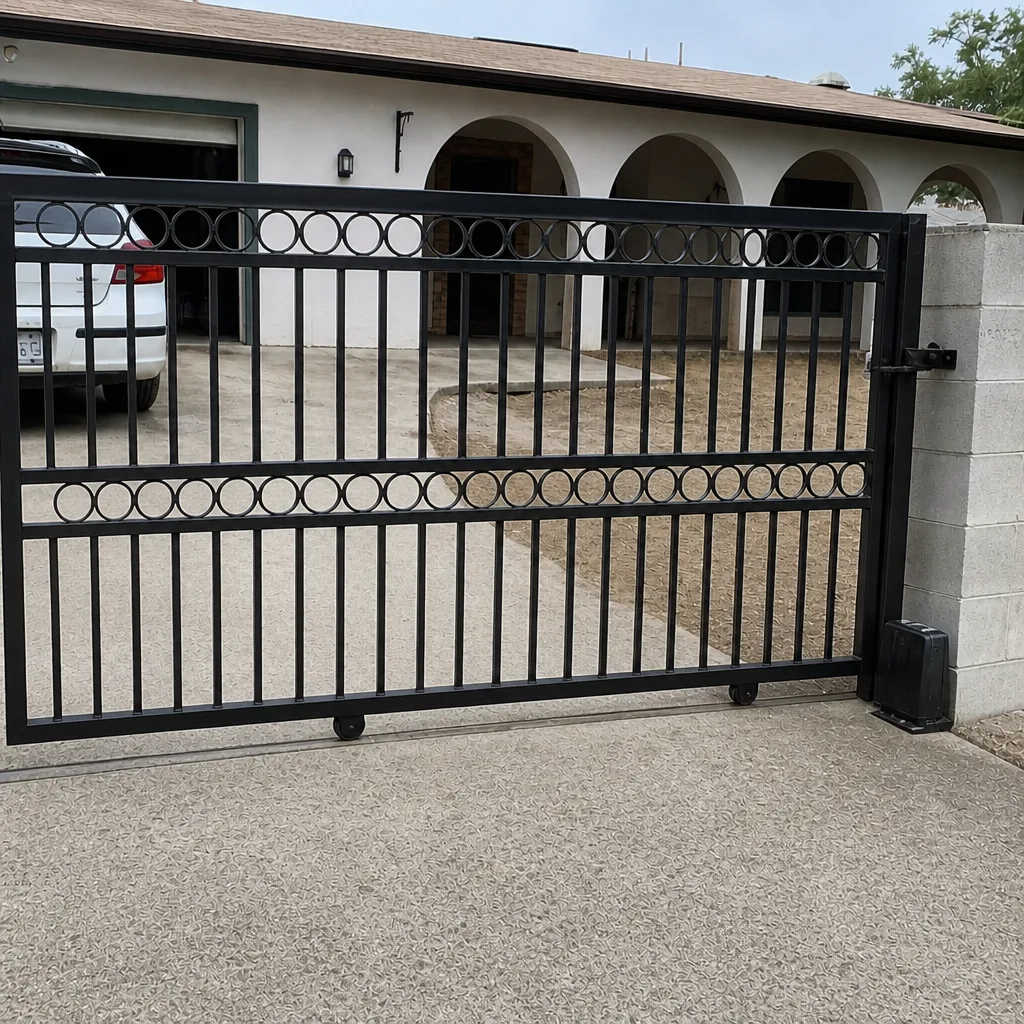 After
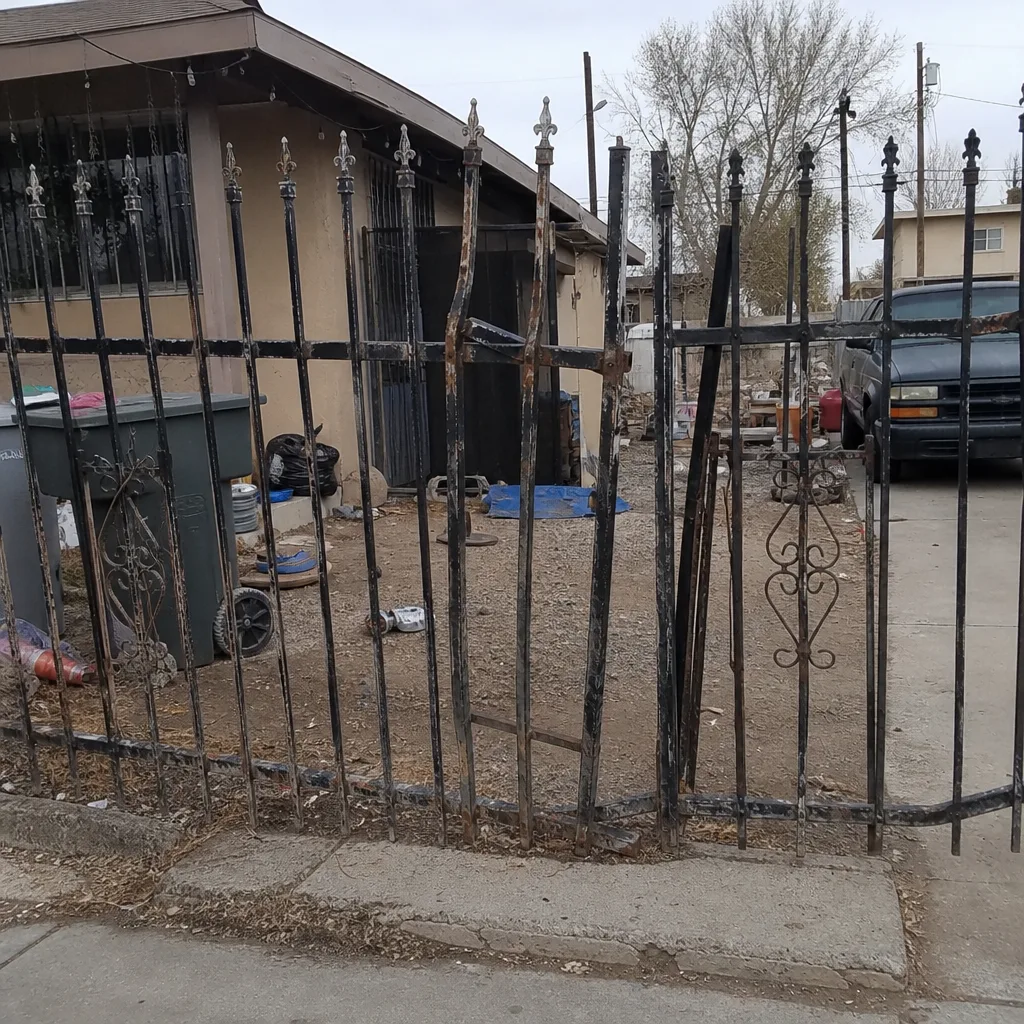 Before
 After
 Before
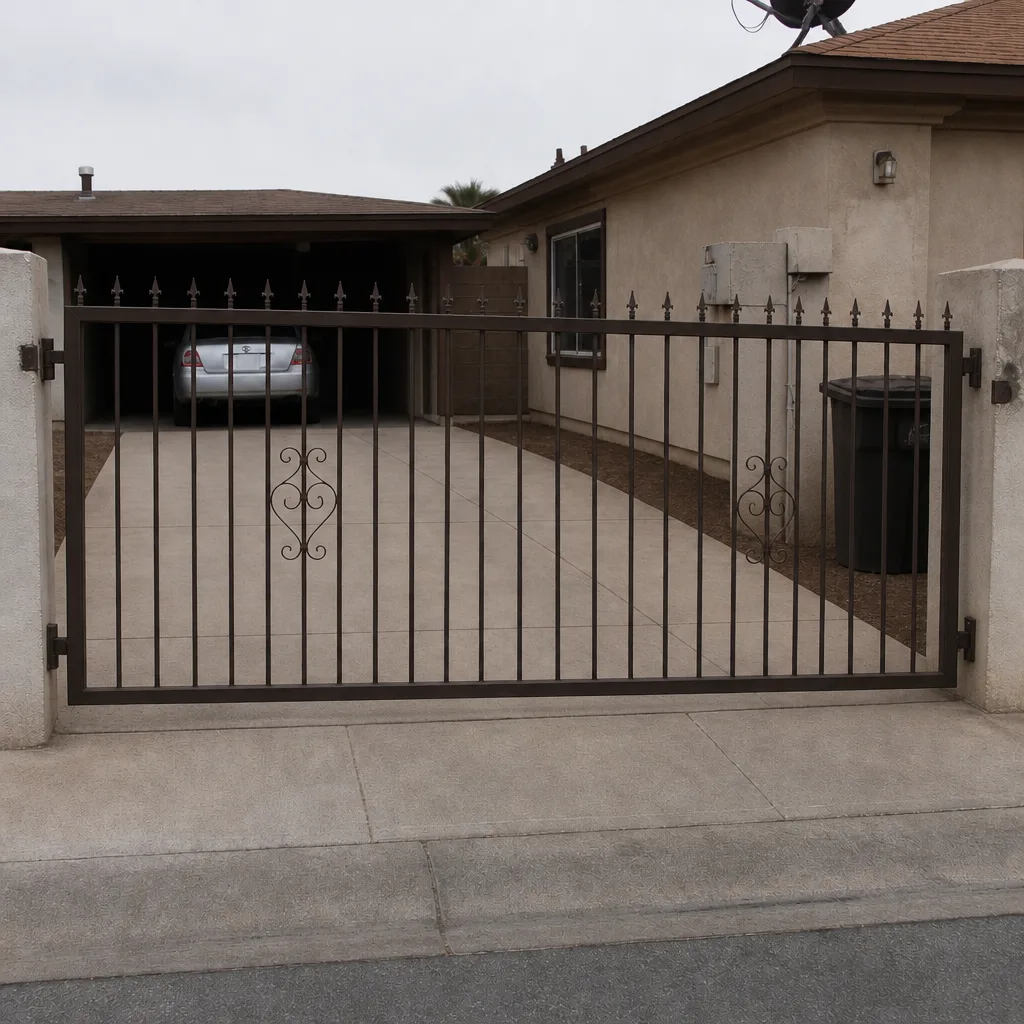 After
When to Call a Professional
Call for help when the gate fights back. A hinge post that’s shifted, a bracket that won’t line up, a power run that needs trenching under concrete, or a slide gate rack that binds – those are signs the job has moved past a straightforward morning install and into territory where a trained eye saves you money in the long run. Electrical work at the opener, safety edge testing, and any structural repair to the gate itself all call for someone who has done it before and will come back if something drifts. High-tension gate springs, live electrical connections at the control box, and any mounting that puts a heavy operator above head height all need that trained eye, not a weekend project.
Gatewood Fence & Gate North Las Vegas offers free estimates in North Las Vegas – call (844) 761-9351. Our technicians have up to 25 years of experience, we’re certified to service nine major gate brands, and a live person answers the phone around the clock. If you need a documented timeline you can hold us to, that’s what you’ll get.
Frequently Asked Questions
A standard swing gate opener install on a prepped gate takes about 4 to 6 hours of actual labor, so a single morning or early afternoon visit. Slide gate openers and jobs that need a new power run typically stretch to a full day or require a second visit. Call (844) 761-9351 for an exact quote on your gate – estimates are free.
Yes, on a functioning gate with power already in place, a single-day install is realistic. We assess the gate, mount the operator, run the wiring, and program and test before we leave. The one-day promise only holds when the power situation is clear up front and the gate itself is in working order.
Trenching under concrete or asphalt typically adds 2 to 5 hours to the job, sometimes more on a long driveway. Wiring, conduit, and patching add another 1 to 2 hours on top of that. We quote the power path before the job starts so the timeline isn’t a surprise on the day.
A slide gate opener needs gear rack alignment along the full travel distance, and a track or cantilever system that’s verified level before the opener goes on. That rack prep and alignment adds 1 to 3 hours compared to a swing gate, and slide gates have longer travel to program and tune. Viking, Ghost Controls, and Elite each have their own rack kits, so we quote the specific brand and model.
An installer who needs three separate visits for a standard residential opener install is either disorganized or overselling the complexity. A prepped gate opener is a one-visit job in the morning-to-early-afternoon window. If the quote doesn’t break the work into phases, that’s another signal. Call (844) 761-9351 for a free second opinion on any written estimate.
Yes, mostly through the ground and the summer heat. The ground here expands and contracts with the wet season, and that’s what causes hinge posts to settle – sometimes an install shifts to a post repair first. Summer afternoon heat also pushes installs into the morning window. We plan around both.
The Bottom Line
A gate motor and opener install is a morning job on a prepped gate and a full day or two when the gate needs work or the power run crosses concrete. The phases are predictable: site assessment and bracket fabrication, mounting, wiring, then programming and testing. A fair quote breaks those phases out and explains which local factors – settled hinge posts, a far-side outlet, a slide gate rack – are adding time. If an installer can’t tell you where the six hours go, they can’t tell you the job is one visit. Fix the gate first, then the opener, and get the whole thing in writing before the work starts.
Ready to put a real timeline on your gate? Call Gatewood Fence & Gate North Las Vegas at (844) 761-9351 for a free estimate. We’ll assess the gate, quote the power path, and hand you a written price agreed before any work starts. Our technicians have up to 25 years of experience, we’re certified to service LiftMaster, FAAC, BFT, Linear, Viking, Ghost Controls, DoorKing, Elite, and Mighty Mule, and every job carries the 90-Day Done Right Promise in writing.
Written by the team at Gatewood Fence & Gate North Las Vegas.