
 Wood & steel frame
 Wrought iron
 Farm & ranch
 Sliding driveway gates
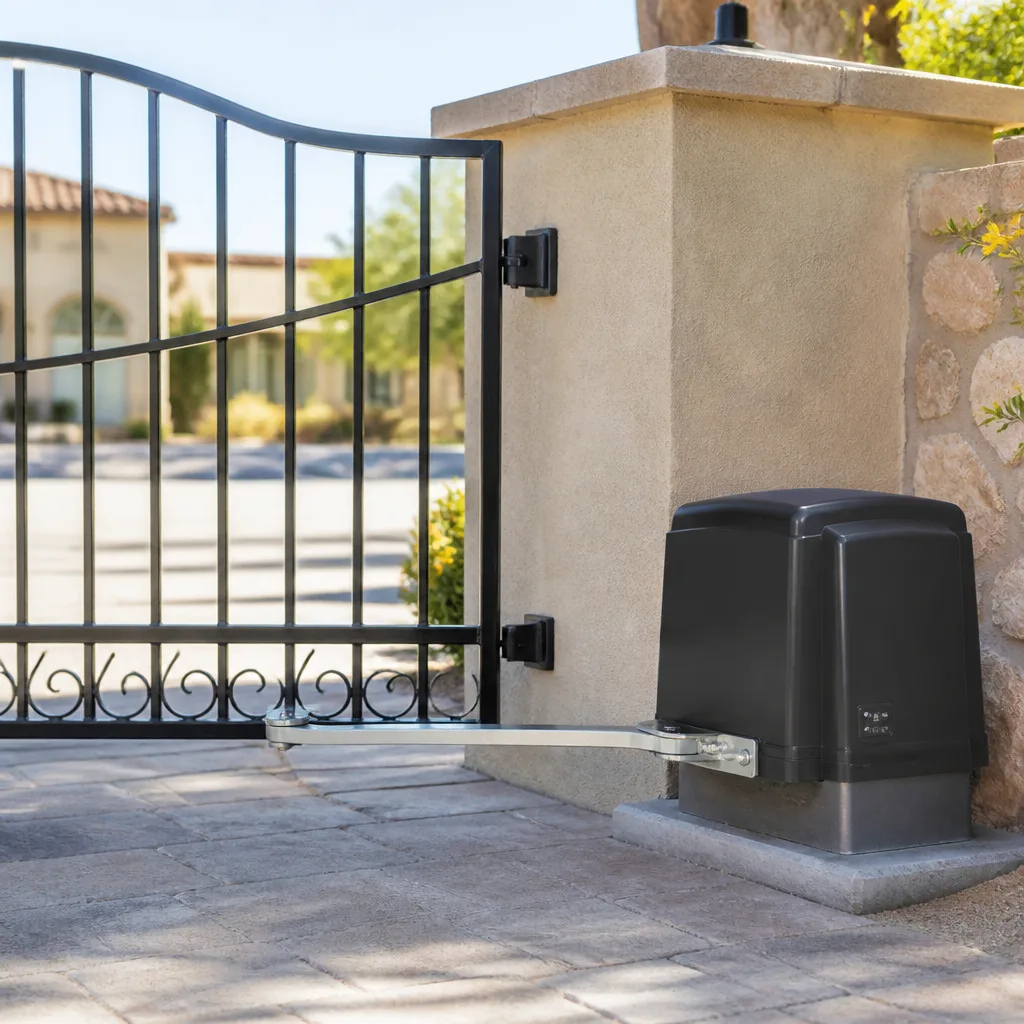 LiftMaster operators
Free on-site gate assessment - hinges, posts, and your LiftMaster or Nice gate operator checked before anything is quoted
The assessment is free and the quote is the invoice.
Get your free estimateStyles & brands we work with
- Wrought iron
- Wood & steel frame
- Farm & ranch
- Sliding driveway gates
- LiftMaster operators
See the difference
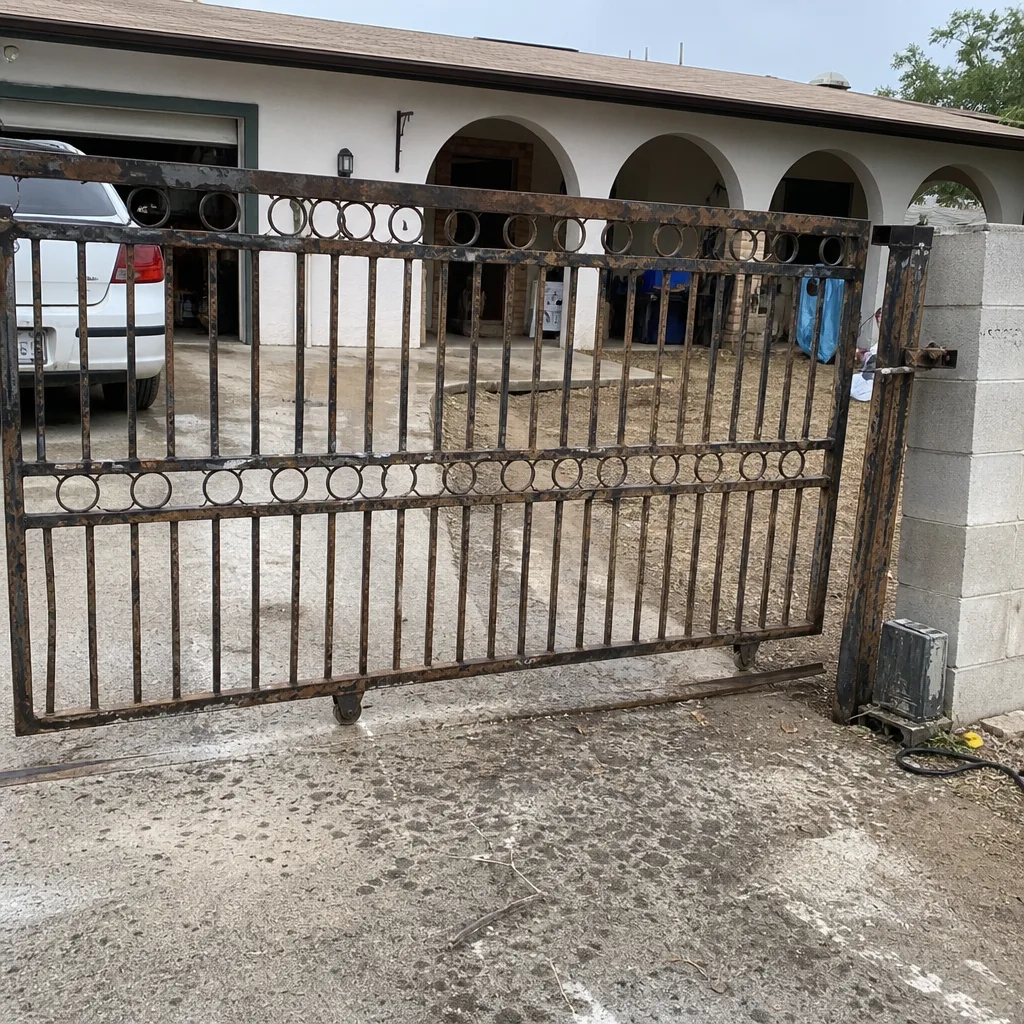 Before
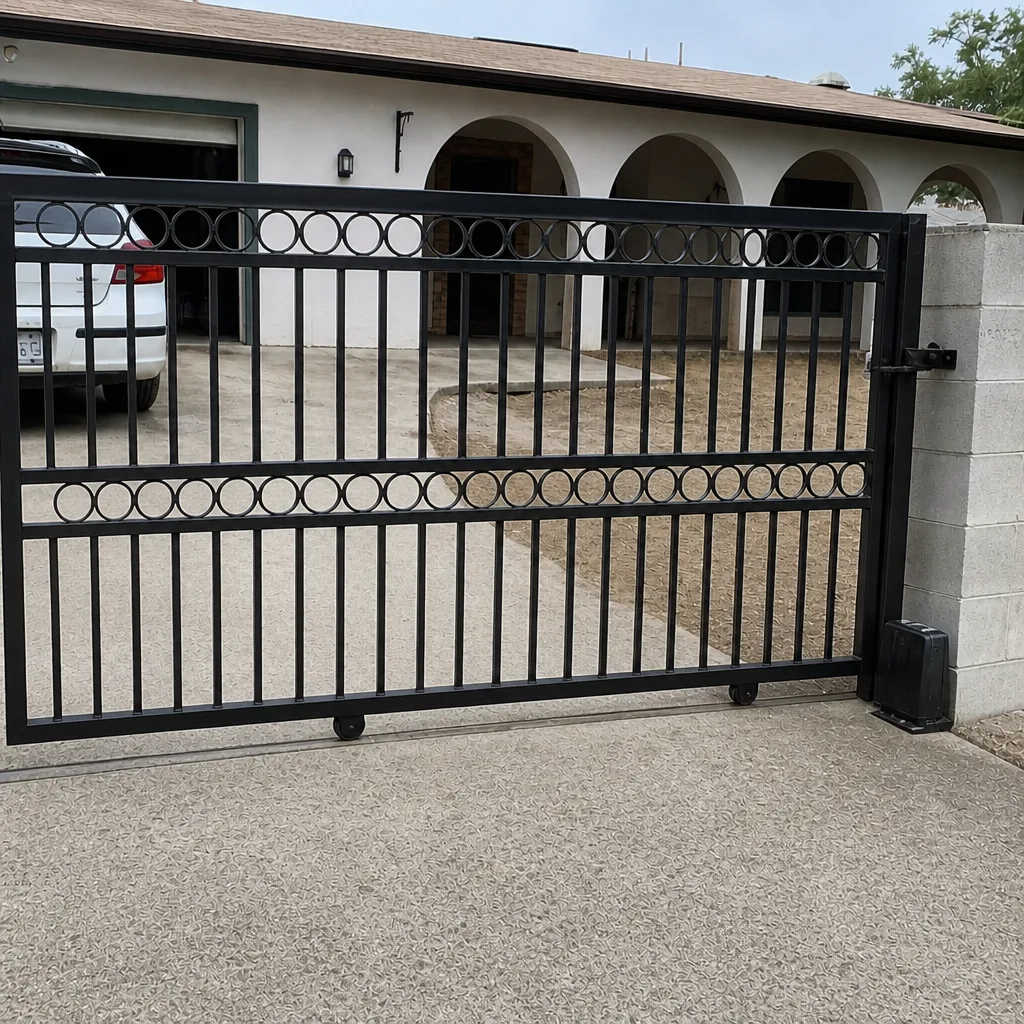 After
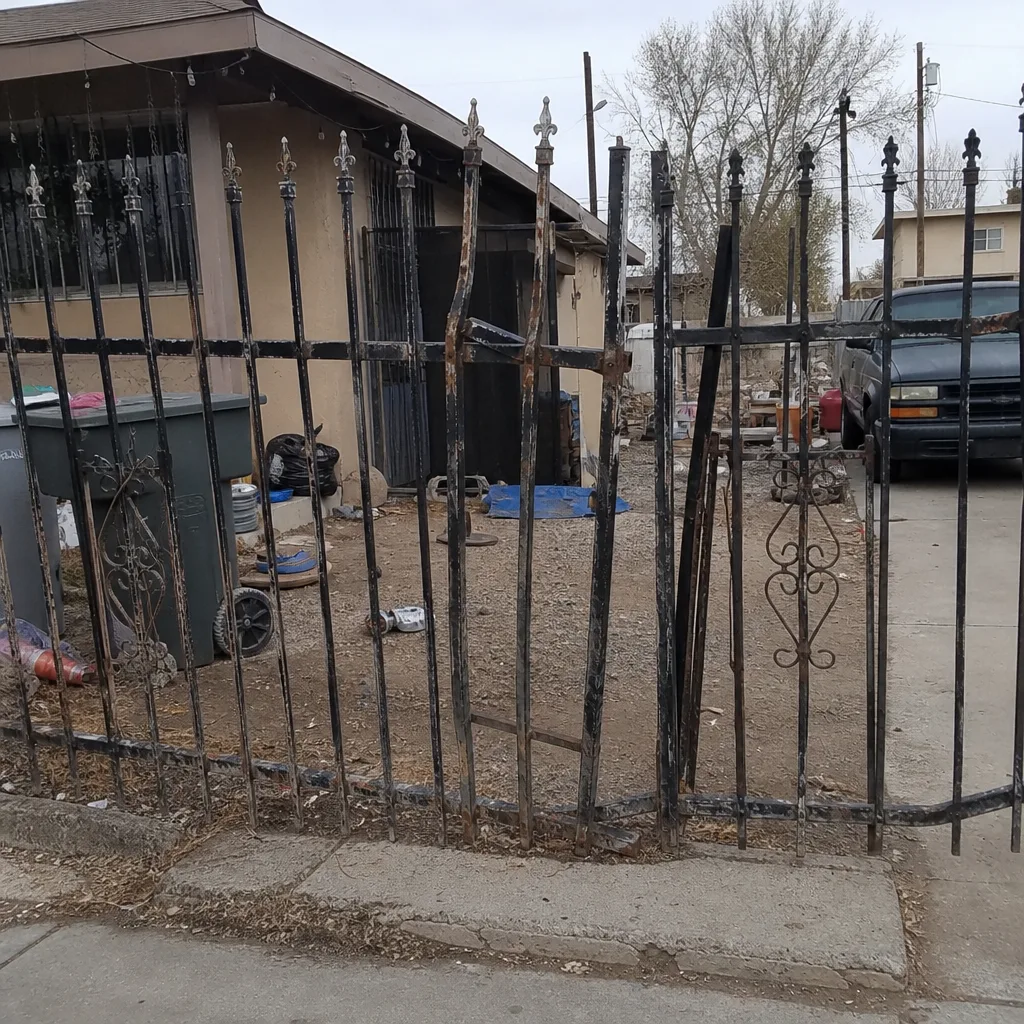 Before
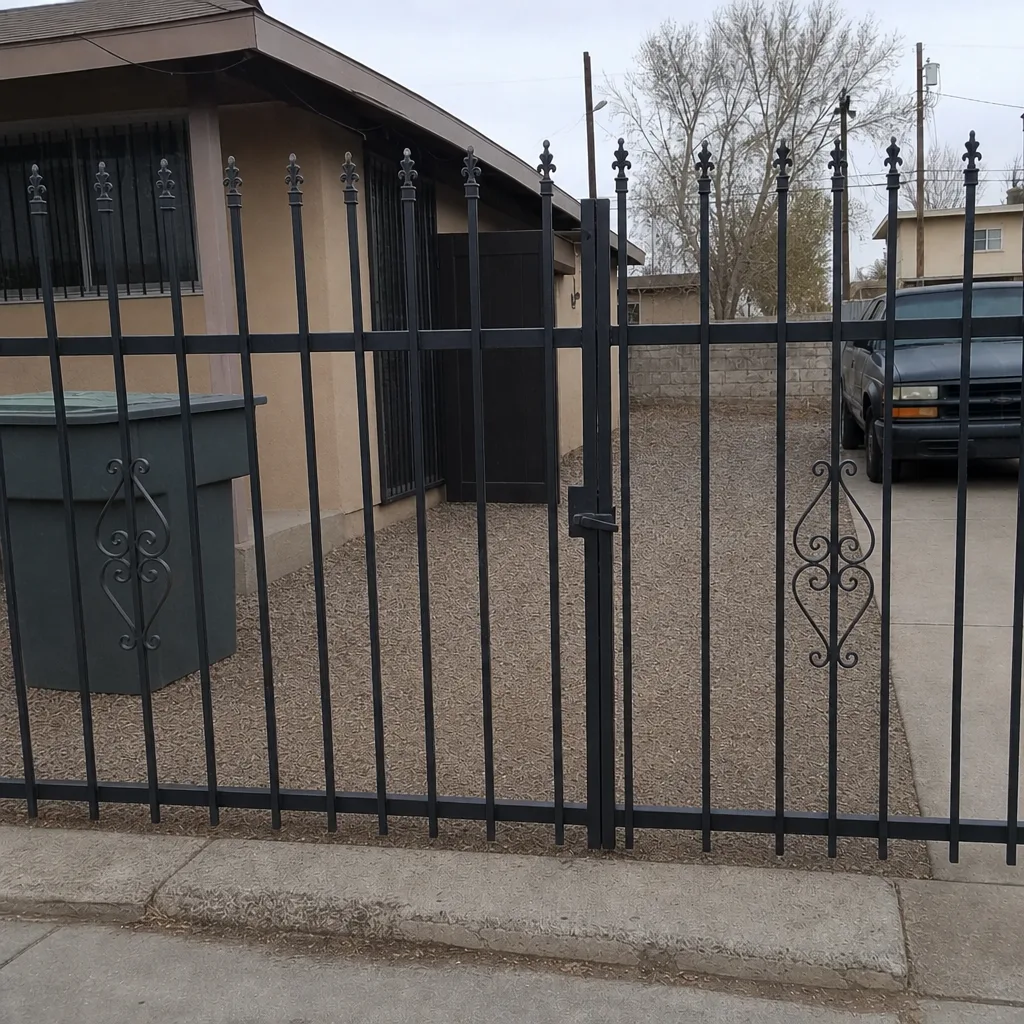 After
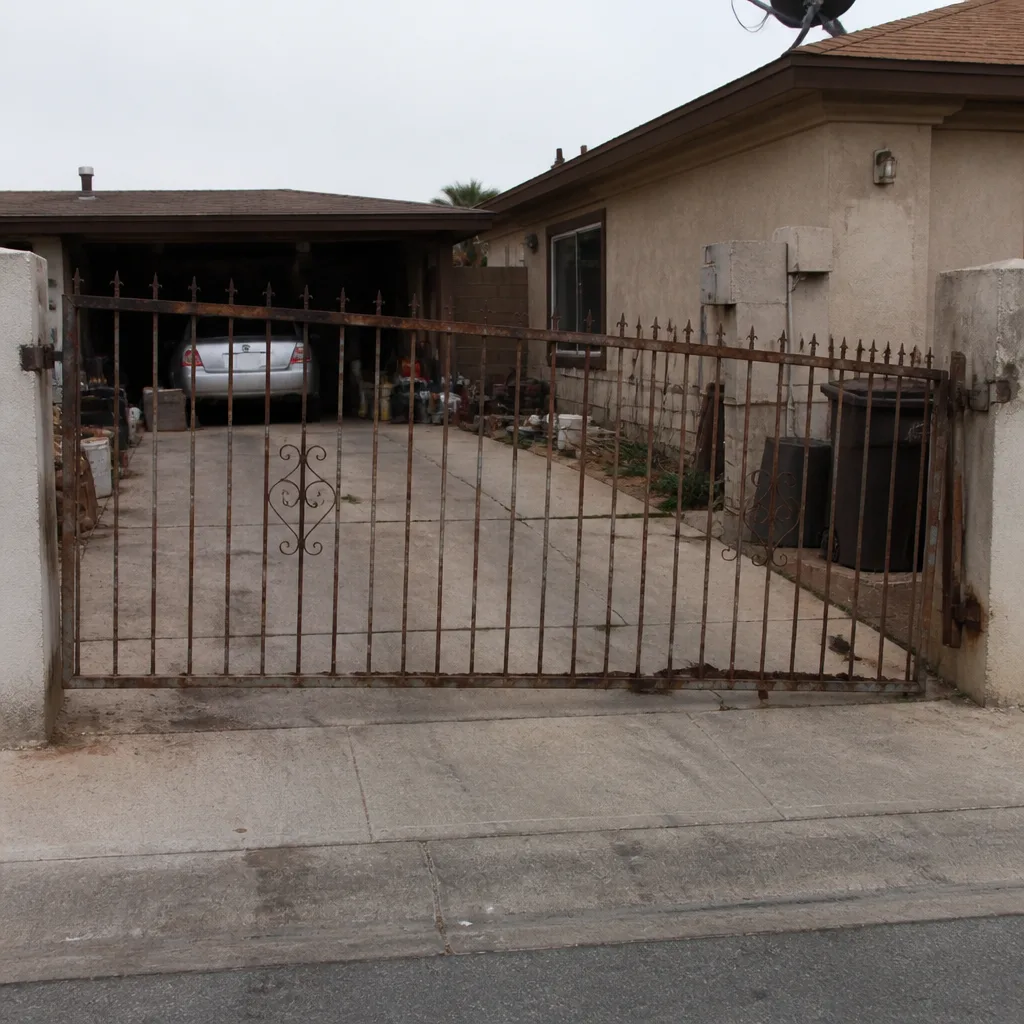 Before
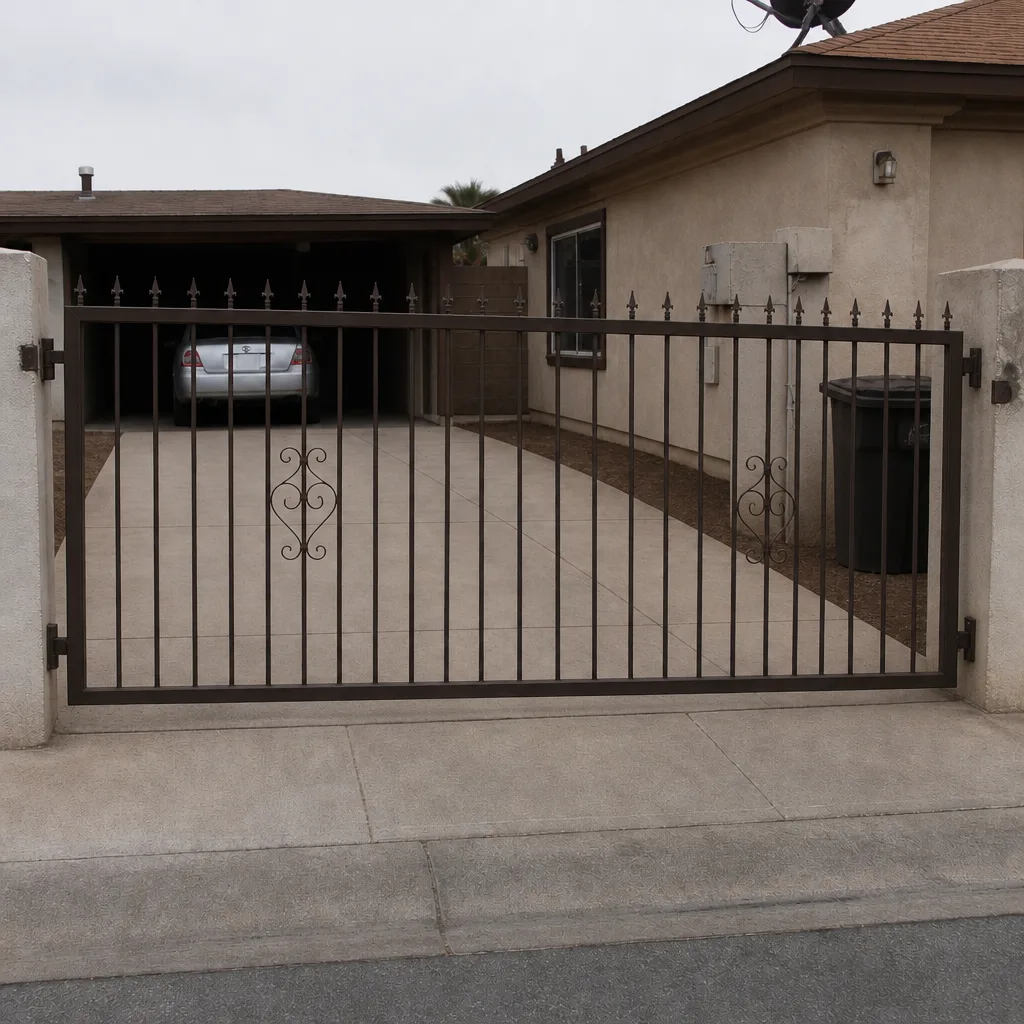 After
Why Is My Gate Motor Not Working in North Las Vegas, NV? The Part That Failed Is Usually Upstream of the Motor
In most North Las Vegas gate failures, the motor isn’t what broke. The capacitor degrades first, the control board cooks second, and the motor gets blamed because it’s the part you can see and hear straining. A grinding or dead-sounding operator on a 15-to-20-year-old builder-grade gate here typically has a failed capacitor, UV-cracked wire insulation, or a heat-damaged board – not a burned-out motor. Replacing the motor before those three upstream parts are tested is the most common way homeowners here spend money twice. If you want it diagnosed instead of guessed at, call (844) 761-9351.
Key Takeaways
- The capacitor is the first part to fail in a North Las Vegas operator, and it fails silently over years of heat cycling.
- A $15 capacitor tester and a two-minute test prove whether it was checked. If your technician never mentions the capacitor, they’re replacing, not diagnosing.
- UV and 110-degree summers degrade exposed low-voltage wiring between the post and the operator faster here than in milder climates, creating intermittent shorts that mimic motor death.
- A truly failed motor and a motor starved of current by a downstream electrical fault sound different, and that difference is the whole diagnosis.
What Actually Happens Inside a 15-to-20-Year-Old North Las Vegas Operator
North Las Vegas has spent most of the last two decades watched by the same age of gate. The rapid build-out of master-planned communities like Aliante and Eldorado in the 2000s put up thousands of homes with original builder-grade steel and vinyl gates – and those operators are now hitting the end of their service life all at once. That means what we’re called out to here is largely a wave of 15-to-20-year-old operator and hinge failures, not new installs.
The failure sequence in those units is remarkably consistent. It runs in this order:
- The capacitor degrades. It loses capacitance slowly, over years of the afternoon heat baking the control box. There’s no bang, no smoke, no warning light. The gate just gets sluggish on open, then sluggish on close.
- The motor strains to compensate. With the start capacitor weak, the motor can’t develop full torque on startup. It works harder, draws more current, and runs hotter than it was designed to.
- The extra current kills the board. The control board on a builder-grade unit wasn’t built to feed a straining motor for long. Eventually it fails – and the gate goes dead. The motor itself may still be mechanically intact.
Fix the board without addressing the capacitor and the new board fails the same way. That’s the trap.
What’s the Two-Minute Test That Proves the Capacitor Was Actually Checked?
A capacitor test. A capacitor tester costs about $15 and the test itself takes two minutes – pull the leads, discharge the capacitor safely, read the capacitance, compare it to the microfarad rating printed on the can. If it reads meaningfully below the rated value, that capacitor is your failure and the motor is fine. Any technician who hasn’t mentioned testing the capacitor on a sluggish or dead open is replacing parts, not diagnosing them. Ask the question directly. The answer tells you who you’re dealing with.
For homeowners here, there’s a useful backstop on top of that: a free second opinion on any written estimate. If someone has already told you the motor needs replacing, bring us the estimate before you sign it. Sorting out whether the diagnosis holds up costs nothing.
Why North Las Vegas Wiring Fails Faster Than the Rest of the Country
The wiring between the gate post and the operator takes a beating in this climate. The low-voltage run sits exposed through the summer sun, and UV degradation cracks the insulation on those wires years before it would in a milder market. Once the jacket starts cracking, the desert dust and the occasional monsoon haboob work into it, and you get an intermittent short – a gate that sticks, opens halfway, or behaves differently in the morning than at 4 p.m.
That pattern frustrates people because it looks like motor failure. It isn’t. It’s a wiring fault that a proper meter check finds in short order. In HOAs like Aliante, there’s a second layer: the community’s uniform style and color has to be matched, but before any cosmetic work there’s usually an operator whose control box faces directly into the afternoon sun. Those units fail after only a few years, not fifteen – heat exposure shortens the clock. If your operator sits in full western sun, wiring and board checks should be first on the list, not a motor swap.
How Do You Tell a Dead Motor From a Motor That’s Being Starved of Current?
Sound and behavior. A truly failed motor – windings open, bearings seized – is silent or mechanically locked when tested directly, and it gives you nothing under load. A motor starved of proper current by a bad capacitor, a shorted wire run, or a failing board may hum quietly, try to move and stall, run a few inches and quit, or work cold and fail hot. That intermittent, hot-weather-only pattern is the giveaway, and it’s the diagnostic detail most replacement guides skip entirely.
The point of testing components in sequence – capacitor, then wiring continuity, then board output, then the motor last – is to find the actual failure instead of the most visible one. That’s the difference between replacing a $180 to $340 motor with the original one when it was a capacitor all along, and fixing the part that actually failed. For the full picture of how the operator itself fits into your gate, see the Gate Motor & Opener in North Las Vegas page, and for the broader repair scope see our main home.
What Does Gate Motor Repair Cost in North Las Vegas?
Typical ranges run like this – real numbers, quoted upfront, not padded at the door:
| Repair | Typical Range |
|---|---|
| Capacitor replacement | $90-$180 |
| Control board replacement | $220-$420 |
| Wiring run repair (exposed post-to-operator) | $150-$400 |
| Motor replacement (parts and labor) | $340-$650 |
| Hinge and hardware repair | $75-$250 |
Standing offers apply: $40 off any repair over $200, no trip charge inside the county, and a permanent 10% discount for seniors and veterans. Those aren’t haggling points – they’re the price. Our technicians have up to 25 years of experience and are certified to service nine major brands, including LiftMaster, FAAC, Elite, and Mighty Mule, so the diagnosis on your particular operator comes from someone who’s opened that model before.
A safety note: gate operators carry live line voltage at the terminal block, and the gate itself can start moving when you’re inside the swing zone. Do not open the control box to test wiring or probe the board if you’re not trained to work around that voltage – a shock at an operator is serious. Shut power at the breaker and call someone who does this every day.
What makes Gatewood Fence & Gate different on a diagnosis call
We test in sequence before anything is pulled, and we weld and repair on site so your gate stays in your driveway instead of leaving it for a swap. Every job is backed by the 90-Day Done Right Promise in writing, and a live person answers the phone around the clock. When you call Gatewood Fence & Gate North Las Vegas, you reach a person who can actually tell you what’s likely wrong, not a voicemail or a queue.
FAQs
The most likely reason is a failed capacitor, not a dead motor – on a 15-to-20-year-old builder-grade operator here, the capacitor degrades silently from summer heat, the motor strains to compensate, and the control board fails from the extra current draw. A shorted, UV-cracked wire run between the post and the operator is the second likely cause. Call (844) 761-9351 for a diagnosis that tests those before the motor is ever replaced.
You can buy a $15 capacitor tester and the test itself takes a couple of minutes, but the operator carries live voltage at the terminal block and the capacitor holds a charge after power is cut – so this is worth leaving to a trained technician unless you’re confident working around line voltage and discharging a capacitor safely. The useful move for most homeowners is to ask the technician whether the capacitor was tested. If they never mention it on a sluggish or dead gate, call us for a free second opinion on their estimate.
A gate that works cold and fails hot is usually being starved of current, not failing mechanically – the capacitor is weak and the afternoon heat pushes it past the point where it can start the motor, or an exposed wire is expanding and shorting as it bakes. That hot-weather pattern points squarely at the upstream parts, which is good news because those are the cheaper fixes. A proper meter check finds it in one visit; call (844) 761-9351.
Diagnosing first is almost always cheaper, because a motor replacement runs $340 to $650 while a capacitor swap runs $90 to $180 – and many homes pay for the motor when the capacitor was the failure all along. On a 15-to-20-year-old operator, test the capacitor, wiring, and board in that order before considering a motor. If you already have a written estimate saying “motor,” we’ll give it a free second opinion before you spend a dollar on it.
If you’d rather have it looked at instead of guessing at it yourself, Gatewood Fence & Gate North Las Vegas offers a no-pressure assessment anywhere in North Las Vegas – call (844) 761-9351 for a free estimate, and ask whether the capacitor has been tested. It’s the first question worth asking, and the answer tells you whether you’re working with a diagnostician or a parts swapper.
Written by the team at Gatewood Fence & Gate North Las Vegas, serving North Las Vegas, NV.