
Last updated November 17, 2026
 Wrought iron
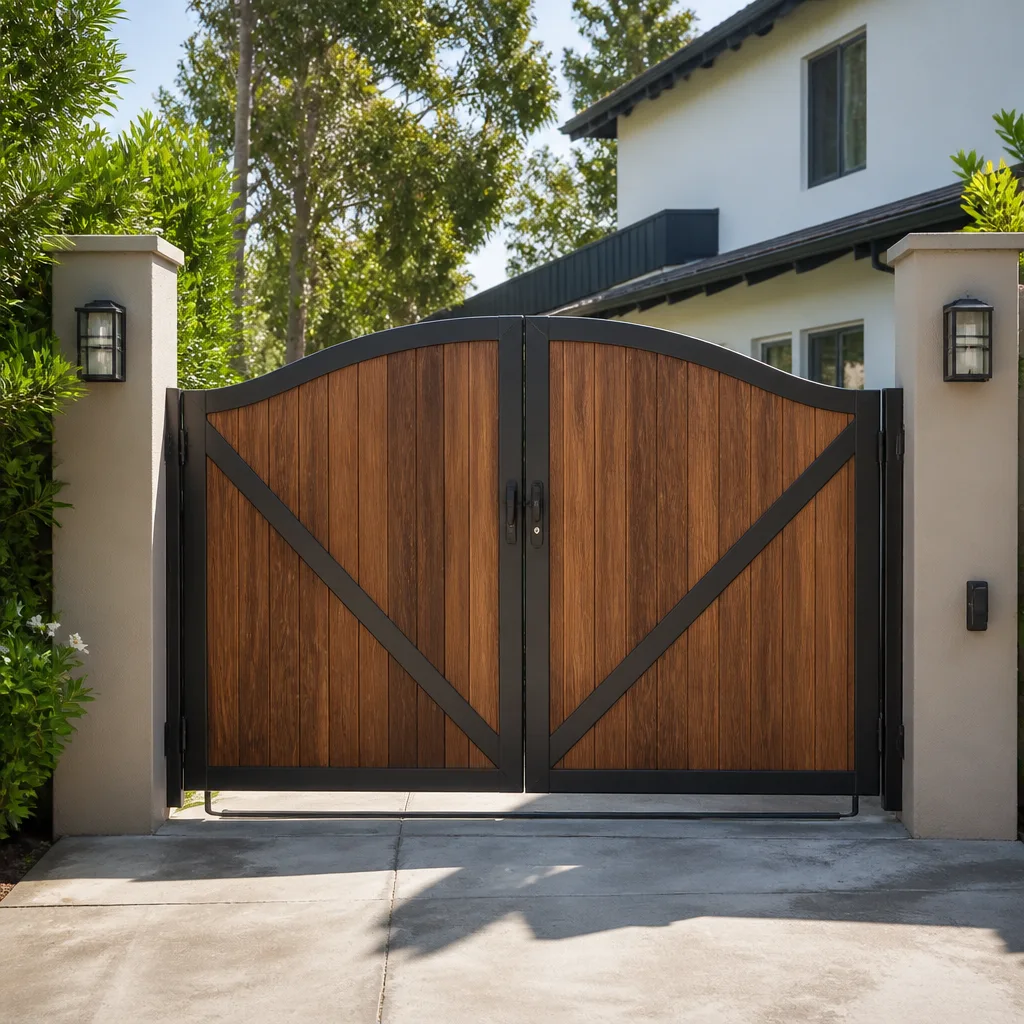 Wood & steel frame
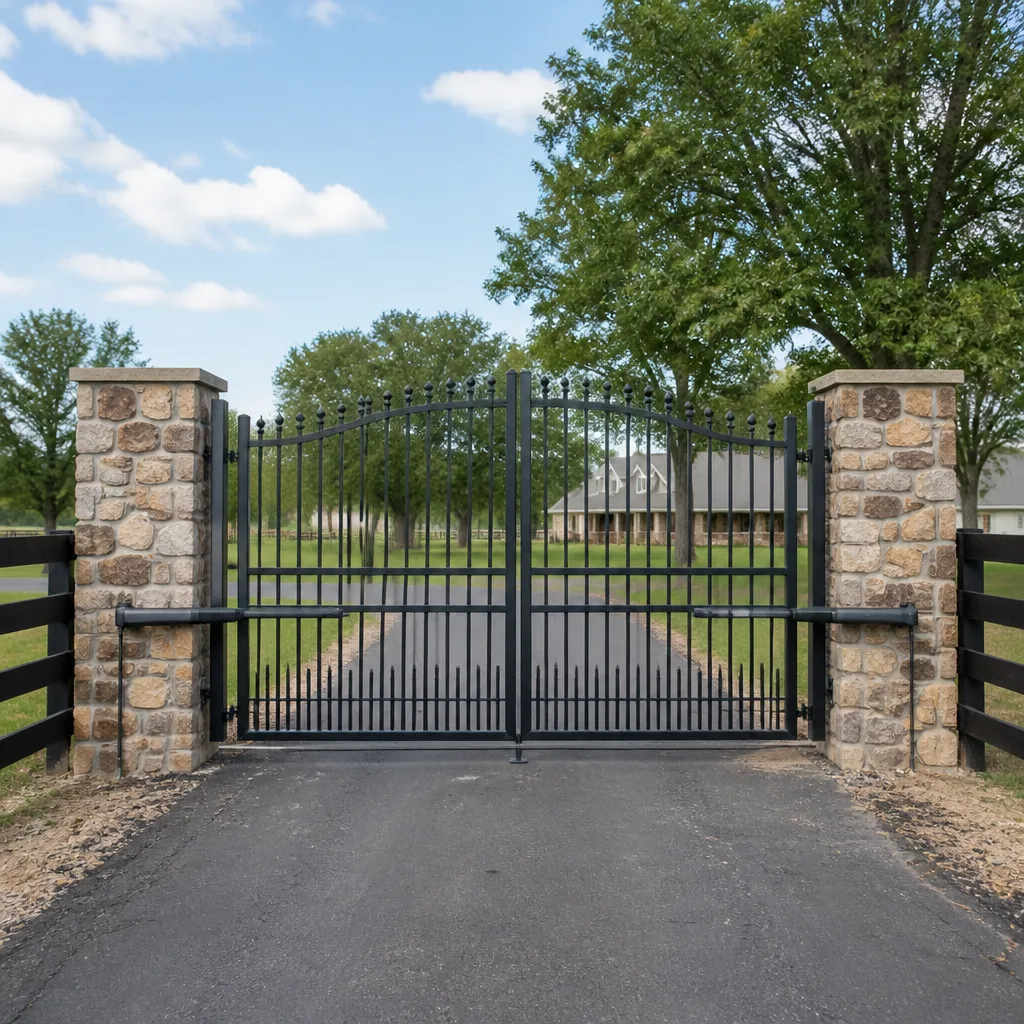 Farm & ranch
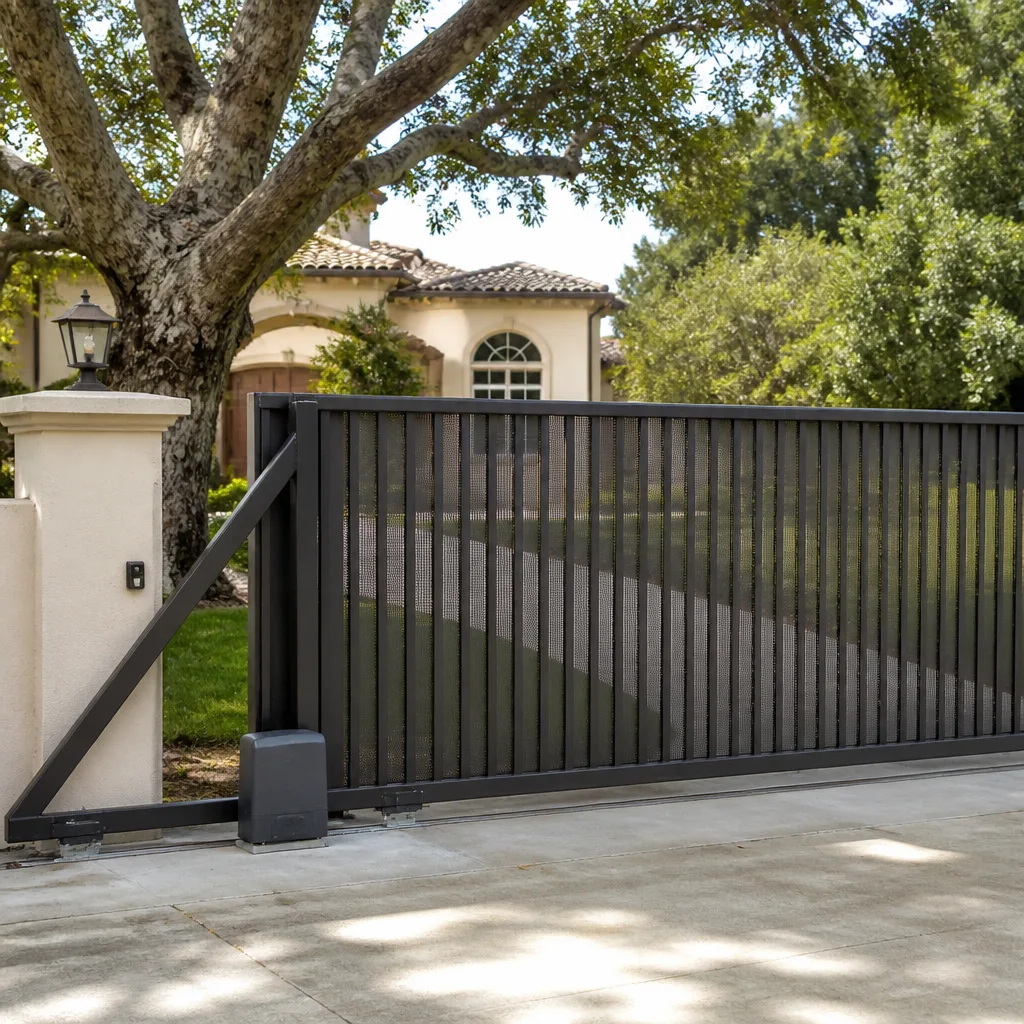 Sliding driveway gates
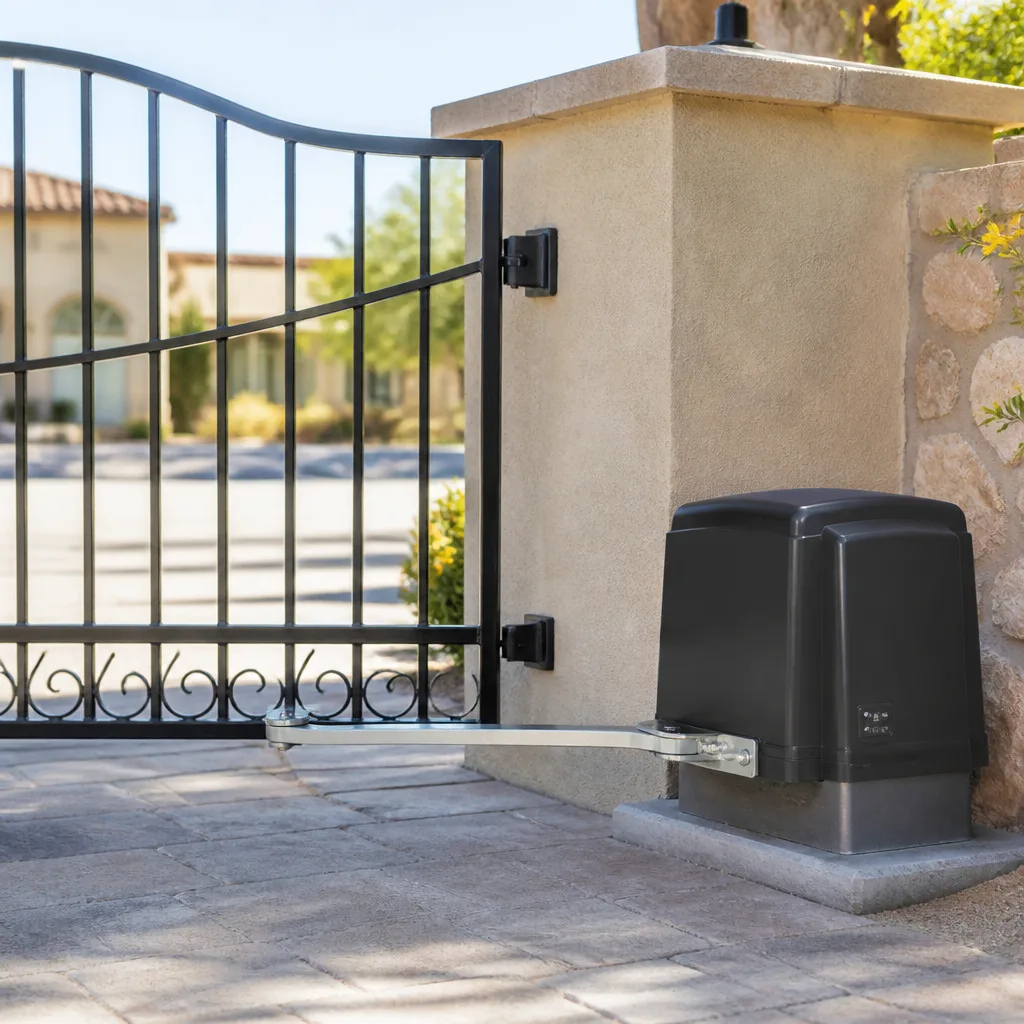 LiftMaster operators
Free on-site gate assessment - hinges, posts, and your LiftMaster or Nice gate operator checked before anything is quoted
The assessment is free and the quote is the invoice.
Get your free estimateGate Repair Warning Signs: A North Las Vegas Homeowner’s Reference Guide
A gate that hesitates for half a second before it moves is not “just old.” It’s telling you the operator is working twice as hard as it should, which means something mechanical is binding and the motor is absorbing the strain. That’s a two-hundred-dollar fix today or a much bigger one in three months. Gates rarely fail out of nowhere. They give you warnings for weeks, sometimes months, and the homeowners who catch them early spend a fraction of what the ones who wait until the gate won’t open at all end up paying. This guide is a plain-language reference for what those warnings actually look like on the gate types we see most across North Las Vegas, and how to document them so you can get a straight answer before anyone drives out.
Quick Answer
The most common gate repair warning signs are a half-second hesitation before movement, a gate that reverses on its own without hitting anything, new noises at the hinges or along the track, and rust or cracking concentrated at the post rather than the middle of the gate. In North Las Vegas, the combination of intense summer heat, blowing desert grit, and monsoon-season dust storms accelerates all of these, especially on slide gates and on wood gates that get full afternoon sun. If you notice any one of them, get it looked at before it turns into a stuck gate.
Styles & brands we work with
- Wrought iron
- Wood & steel frame
- Farm & ranch
- Sliding driveway gates
- LiftMaster operators
Table of Contents
- Visual Warning Signs by Gate Material
- Sound-Based Warnings: What the Noise Is Telling You
- Operational Warnings and What Each One Points To
- Slide Gates and Swing Gates Fail Differently
- How North Las Vegas Heat and Dust Speed Up Gate Wear
- How to Photograph and Document Warning Signs
- A Simple Seasonal Checklist for North Las Vegas Homeowners
Visual Warning Signs by Gate Material
Rust on a steel gate is not automatically bad news. The question is where it is and how deep it goes. Surface rust that sits on a flat panel, wipes off with a rag, and leaves clean metal underneath is cosmetic. Rust that creeps out from around a bolt, a weld, or the point where the gate frame meets the hinge post is a different animal. That pattern usually means water has been sitting inside the tube or behind the mounting plate, and the wall of the steel has been thinning from the inside. On North Las Vegas gates, we see this most often on the sun-facing side where the finish bakes off faster and bare metal is exposed to the dust and the rare but real monsoon rain.
Wood gates give you a different set of clues. Checking, the small cracks that run along the grain, is normal and mostly cosmetic on a thick board. What matters is where the crack is and which direction it runs. A hairline crack down the face of a board is fine. A crack that opens at the hinge, runs across the grain, or shows daylight through it means the board has lost its grip on the fastener, and the gate is starting to move independently of the post. In our experience, wood gates in the older parts of North Las Vegas that get full western sun will show this kind of checking two or three summers before the gate actually fails, which gives you plenty of warning if you’re looking for it.
A few visual signs worth a closer look:
- Rust halos around bolts, welds, or hinge plates – water is getting in and the steel is thinning where it matters.
- Paint or powder coat flaking in a line – usually a sign the metal underneath is flexing, not just sun damage.
- Gaps opening at the latch, the post, or between panels – the gate is sagging at the hinge post, not in the middle.
- Score marks or shiny wear on a slide gate track – the gate is dragging, and the operator is fighting it.
- Wood splitting across the grain at a hinge or latch – structural, not cosmetic.
A gate sags in the hinge post, not in the middle, and that is where we start. Fix the panel without the post and you’ll fix it twice.
Sound-Based Warnings: What the Noise Is Telling You
You don’t need to know the technical name for a worn bearing to know something is wrong. You just need to know which noises mean “watch it” and which mean “stop using it.” Here’s how we translate the sounds we hear most on North Las Vegas gates, in plain terms.
- A dry squeak that shows up at the same point in every swing – the hinge pin has lost its grease and is starting to wear. It’s inexpensive to fix now; it gets expensive when the pin wears a groove in the hinge barrel.
- A grinding or growling sound from the operator – the motor or gearbox is working against resistance. On a LiftMaster or FAAC operator, this is often a sign the gate is binding on the track or the hinges are dragging.
- A rattle or clunk when the gate reverses – the chain or belt has slack in it, or a limit switch is out of adjustment.
- A high-pitched whine from the motor that wasn’t there before – the operator is straining. Something mechanical is absorbing the extra effort.
- A steady clicking that speeds up with the gate – usually a chain or a drive gear with a missing tooth or a worn link.
Sound is the cheapest diagnostic tool you own. If a gate starts making a noise it never made before, that’s a change in the system, and it’s worth paying attention to. We’ve walked up to gates where the homeowner said it “just started getting loud” and found the hinge pins worn almost through. A bit of attention then would have saved the whole hinge assembly.
Operational Warnings and What Each One Points To
How a gate moves tells you where to look. Different symptoms point to different parts of the system, and knowing which is which keeps you from paying to replace a motor when the real problem is a hinge.
- Hesitation before movement. The gate pauses for a beat after you press the button or turn the keypad. The operator is overcoming extra resistance, usually from binding hinges, a dirty track, or a gate that’s out of level. This is one of the earliest and cheapest warning signs to catch.
- Reversal without obstruction. The gate starts to close, then stops and opens again with nothing in the way. A misaligned safety edge, a failing photo-eye, or a limit switch that’s drifted out of position usually causes this. On North Las Vegas gates, dust caked on a safety eye is a common culprit, but don’t assume: it can also be a genuine fault.
- Slow travel speed. The gate moves noticeably slower than it used to. Different from hesitation: the gate doesn’t pause, it just crawls. That often means the operator is under strain or the motor is on its way out.
- Inconsistent stopping points. The gate opens or closes to a different spot each time. That’s typically a limit switch that’s loose or drifting.
- Operator runs but the gate doesn’t move. The motor turns but the gate stays put. On a chain or belt drive, something has broken or slipped. Stop using it until it’s checked.
Show me the gate closing on its own and I’ll show you where it’s failing. The symptom points to the system, and the system points to the fix.
Slide Gates and Swing Gates Fail Differently
Slide gates and swing gates don’t wear the same way, and the red flags aren’t the same either. Knowing which type you have tells you which warning signs to watch for first.
Slide Gates
Slide gates ride on a track and a set of rollers, and most of their problems start at the ground. In North Las Vegas, wind-blown sand and grit collect in the track and work their way into the rollers. That grit grinds the wheels flat on one side, and once a roller is out of round, the gate starts to drag. Watch for:
- Wobble or side-to-side play as the gate rolls
- A flat spot on a roller, or a roller that no longer turns freely
- Shiny score marks on the track or the rollers
- The gate drifting off-center in the track
- Grinding from the operator, which often means the rollers are dragging and the motor is absorbing the extra load
Slide gate operators, including BFT and LiftMaster units we service in North Las Vegas, are built to move a gate, not to drag one. If the rollers are dragging, the operator pays the price.
Swing Gates
Swing gates hang on hinges, and nearly every problem traces back to the hinge side. The gate sags at the hinge post, the latch stops lining up, and the operator starts straining because the geometry has changed. Watch for:
- The gate hanging lower on the latch side than the hinge side
- The gate scraping the ground or the driveway as it swings
- A hinge that squeaks, clunks, or shows rust halos around the bolts
- The gate swinging freely when it used to have resistance (a sign of a worn hinge or a damaged operator)
- A gate that no longer latches without lifting it
Swing gate operators like a Mighty Mule or a FAAC arm have a limited amount of travel before they reach their limit. When the gate sags, the operator has to work harder to push it through, and that’s when the operator itself starts to fail. Fix the hinge, and you often save the operator.
How North Las Vegas Heat and Dust Speed Up Gate Wear
Gate hardware in North Las Vegas lives a harder life than in most of the country. Summer heat bakes the lubricant out of hinges, dries and checks wood faster, and puts a real strain on operator components. Dust and grit, especially during spring winds and the monsoon season, work their way into tracks, rollers, and hinge pins and act like sandpaper on metal. This is why we see hinge wear and operator strain on North Las Vegas gates at ages where the same gate in a cooler, wetter climate would still have years left.
A few things that come up again and again in our experience here:
- A gate facing west or southwest takes the worst of the afternoon sun, and its finish and wood checks faster than one in shade.
- Older neighborhoods on the north and east sides of North Las Vegas often have gates that have been through many summers without a hinge service.
- Gates near open desert or new construction catch more grit and need more frequent track and roller cleaning.
- Summer heat makes the metal of a slide gate track expand, which can make a slightly worn roller drag even more.
A five-minute look at your gate after a windy week will tell you more than a month of guessing.
How to Photograph and Document Warning Signs
If you want an accurate phone estimate before anyone drives out, a few clear photos do more than a paragraph of description. Here’s how we ask North Las Vegas homeowners to document a gate problem.
- Take a wide shot of the whole gate. Stand back and get the gate, the posts, and the ground in one frame. This shows the overall condition and the way the gate sits.
- Take a close-up of each hinge and the latch. Get right up on the hardware. Rust, gaps, play, and worn bolts all show clearly in a close shot.
- Photograph the operator and its label. The brand and model plate on the motor tells us a lot. Get a clear picture of it, and note whether it’s a LiftMaster, FAAC, BFT, or another make.
- Photograph the track and rollers on a slide gate. Show the score marks, the flat spots, and the grit. Then show where the gate meets the track.
- For a swing gate, photograph where the gate sits at rest. Shoot straight down the length of the gate and show the gap at the latch side. A sag shows up well in this angle.
- Catch the symptom if you can. If you can safely photograph the gate in motion, a photo of the hesitation or the reversal spot can be very useful. Only do this from a safe distance, away from the moving gate.
Send those photos along with a description of the noise and the symptom you’re seeing, and we can often give you a solid estimate over the phone before we ever turn onto your street.
A Simple Seasonal Checklist for North Las Vegas Homeowners
Gates don’t need much, but they need it on a schedule. A few minutes at the change of seasons catches most problems early. Here’s a checklist we suggest for North Las Vegas homeowners.
- Listen before you look. Stand at the gate and run it once. Note any new sounds, hesitation, or changes in speed.
- Look at every hinge and the latch. Check for rust halos, gaps, and anything that’s started to look different.
- On a slide gate, sweep the track. Clear grit and debris, then check the rollers for flat spots and wobble.
- On a swing gate, check the sag. Look down the length of the gate and see if it’s still level at the latch.
- Test the safety features. Make sure the safety edge and the photo-eyes still stop the gate. Don’t reach into a moving gate to test it.
- Check the operator. Make sure it’s not straining, grinding, or whining more than usual. Confirm the backup battery (if your operator has one) still holds.
Do this in the spring before the heat sets in and again in the fall before the winds pick up, and you’ll catch most issues while they’re still cheap to fix.
Common Mistakes to Avoid
- Ignoring the hesitation because “it still opens.” A gate that hesitates but still works is telling you something mechanical is binding. Waiting until it stops working turns a small fix into a bigger one.
- Replacing the operator when the real problem is a hinge. We’ve seen plenty of North Las Vegas gates where the operator was replaced and the hinge was never touched. The new motor then wore out fighting the same hinge.
- Letting rust “dry out” instead of treating it. Rust around a bolt or a weld in North Las Vegas heat and dust keeps working inward. Catch it early and it’s a paint and prep job; catch it late and it’s a weld or a replacement.
- Assuming a safety reversal is “just the wind.” A gate that closes and reverses on its own needs its safety eyes and limit switches checked. Don’t stand in a gate that’s misbehaving.
- Cleaning a slide gate track by scraping it. Scraping can damage the finish and leave raw metal for grit to grind into. A brush and a check of the rollers does more good.
- Ignoring the post. A sagging gate that gets fixed on the panel side without the post will sag again. Fix the post first, and the gate stays put.
- Doing a high-tension or electrical fix without help. Gate operators are wired into line voltage, and a bind behind a heavy gate can release suddenly. This is not a job to tackle on your own.
See the difference
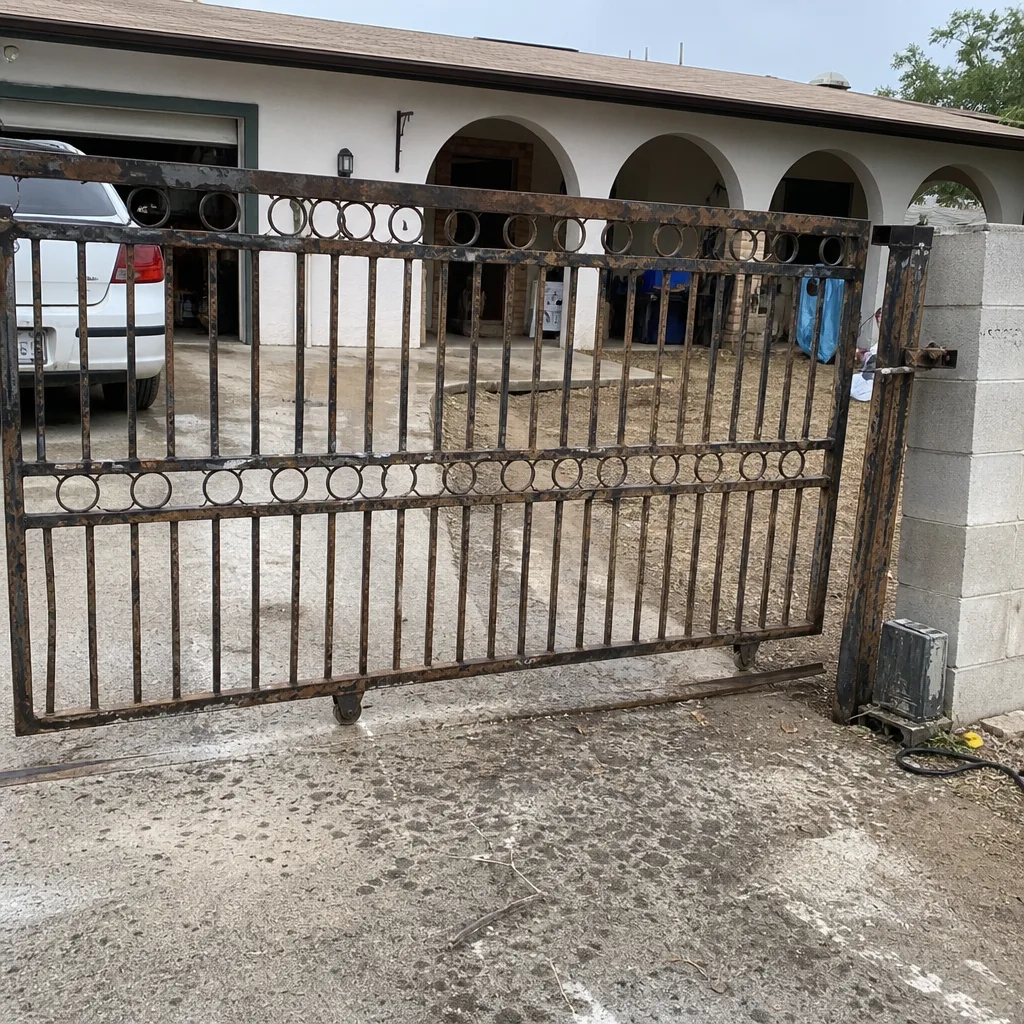 Before
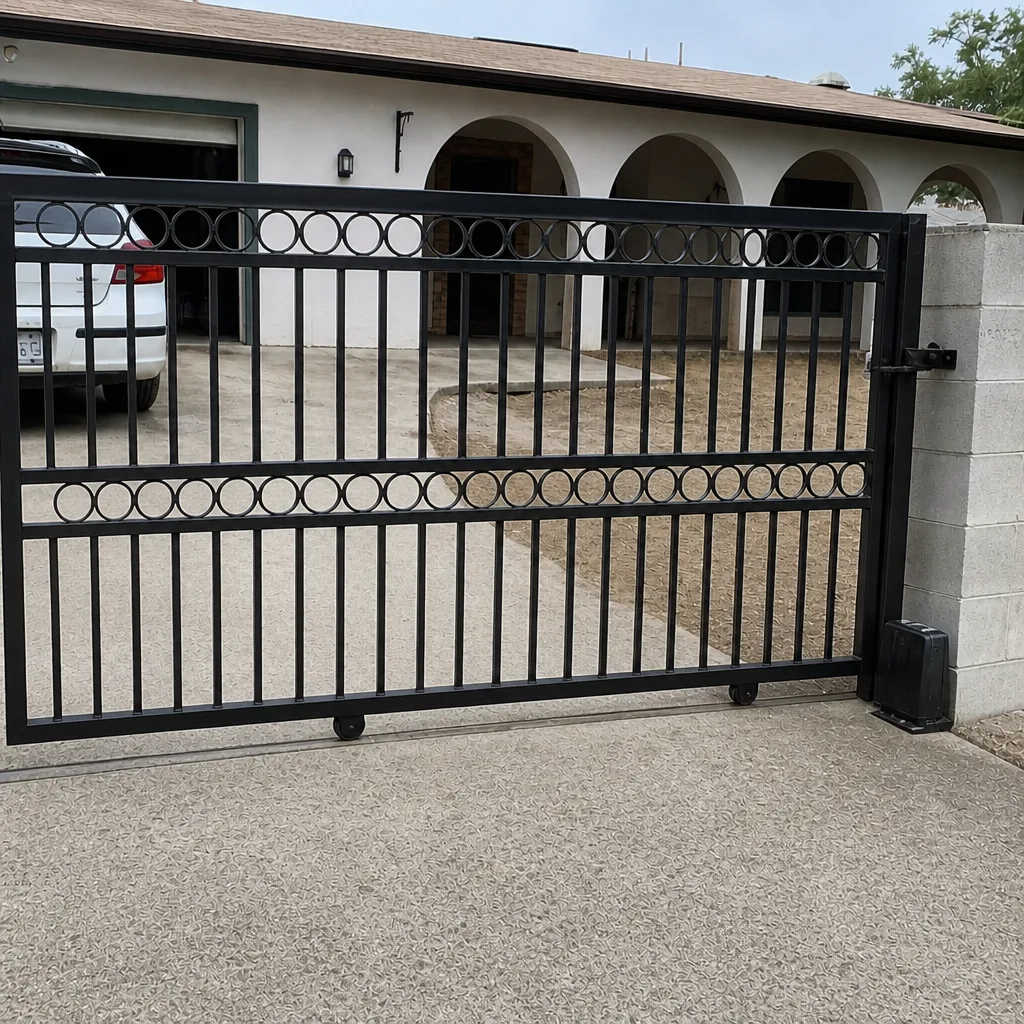 After
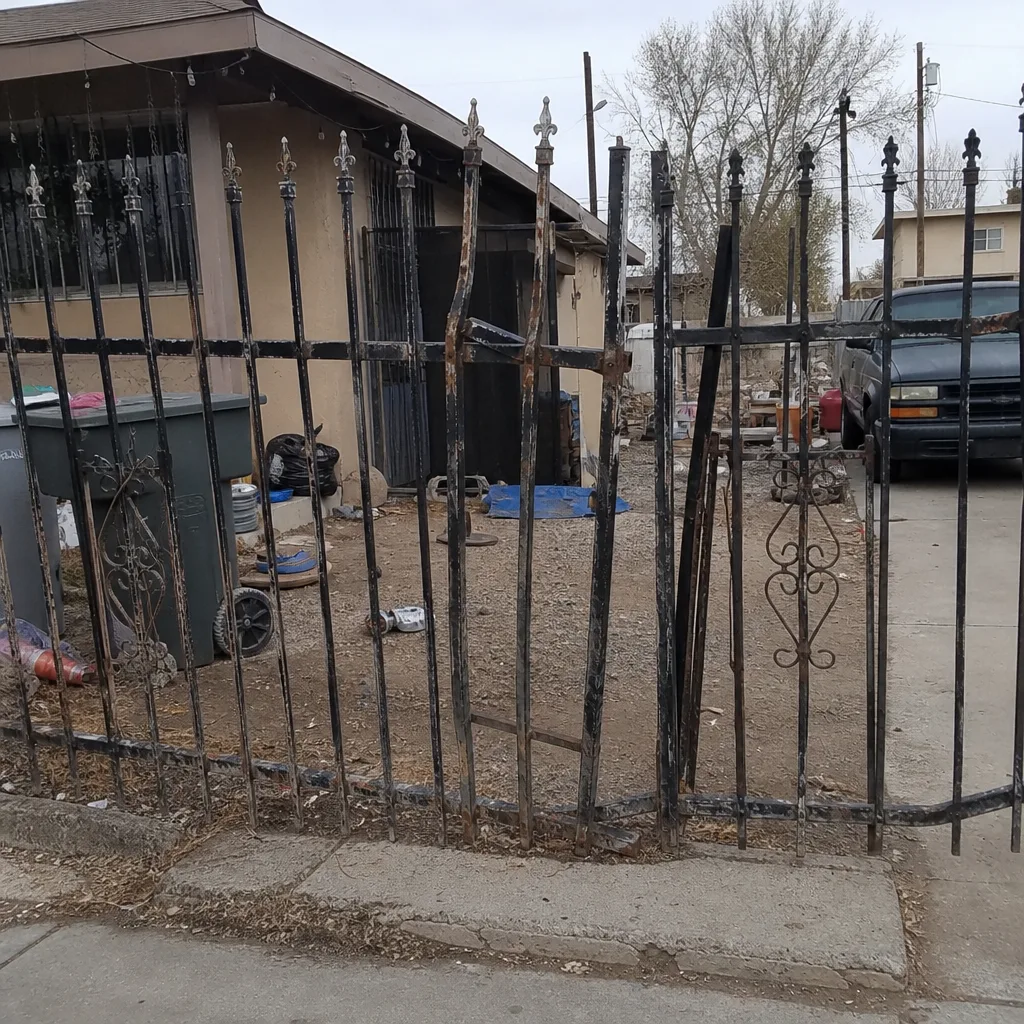 Before
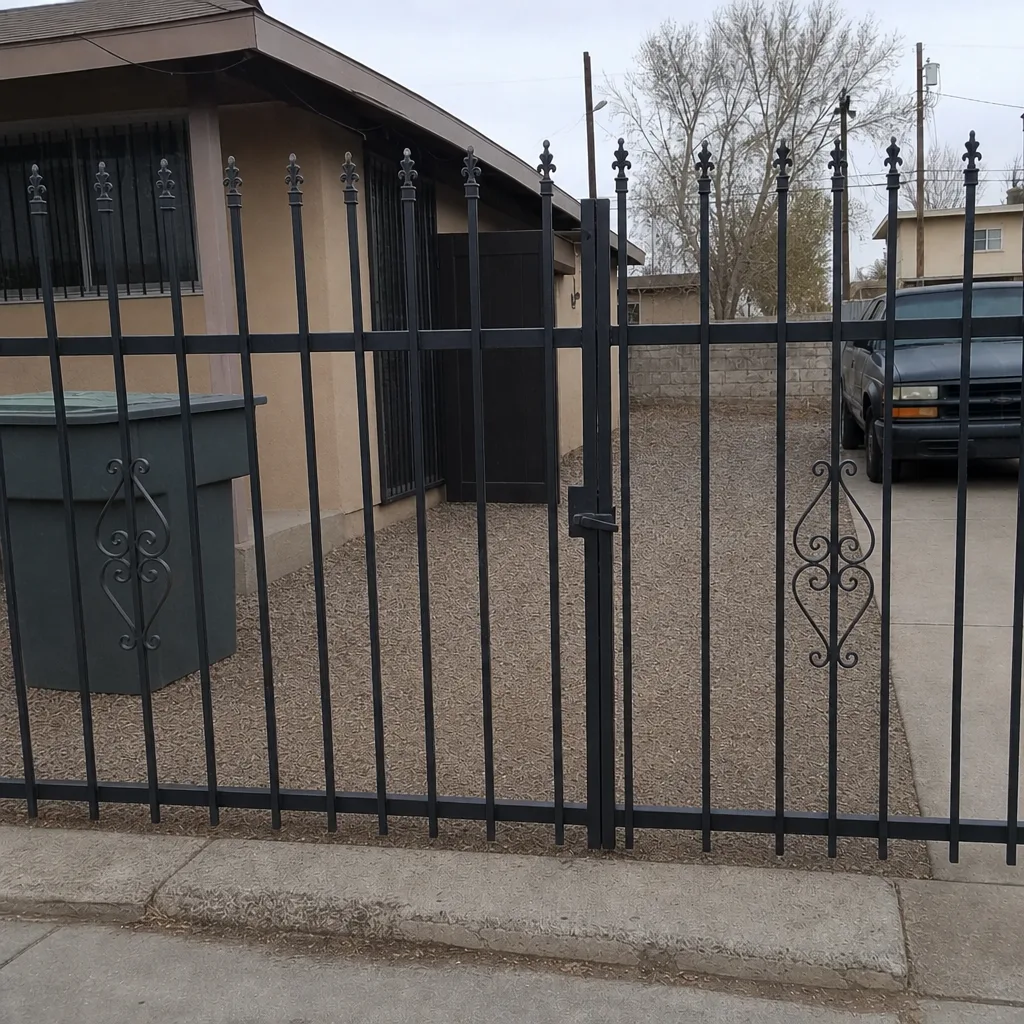 After
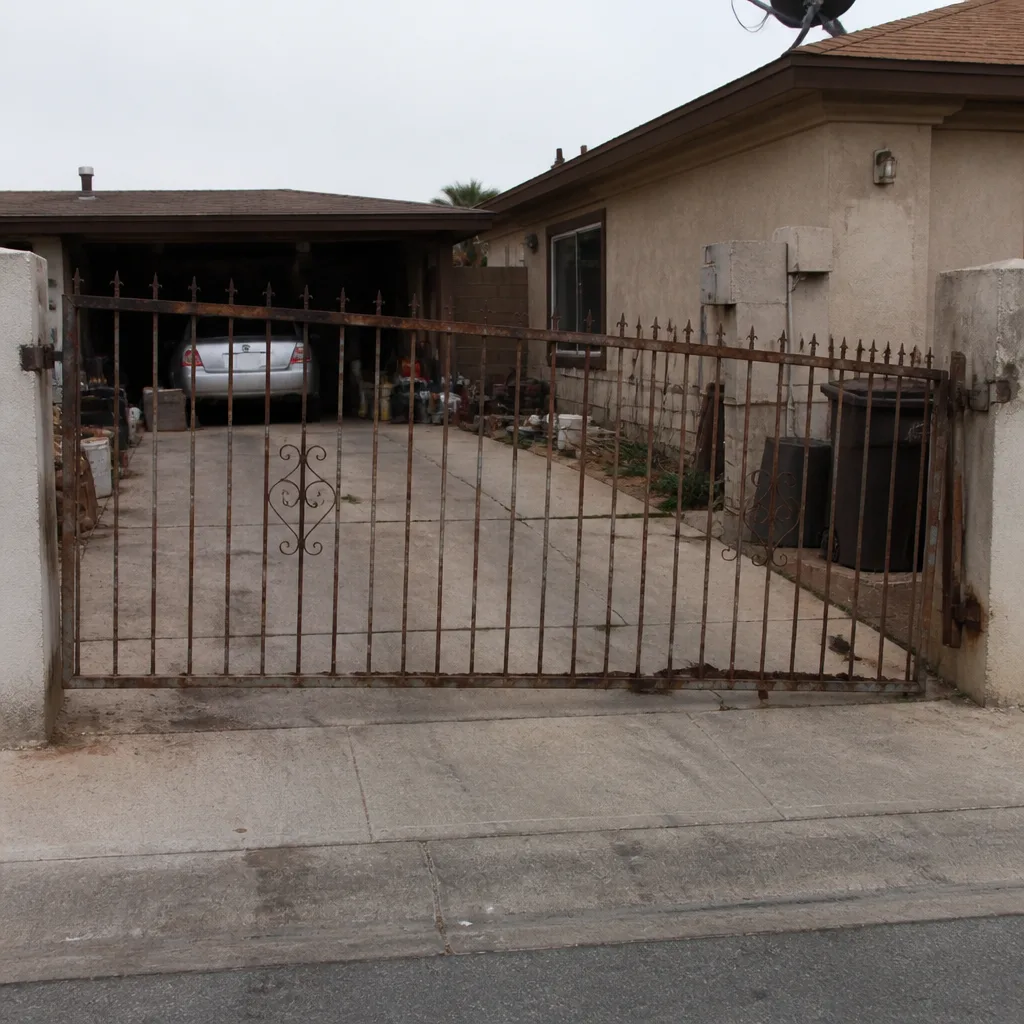 Before
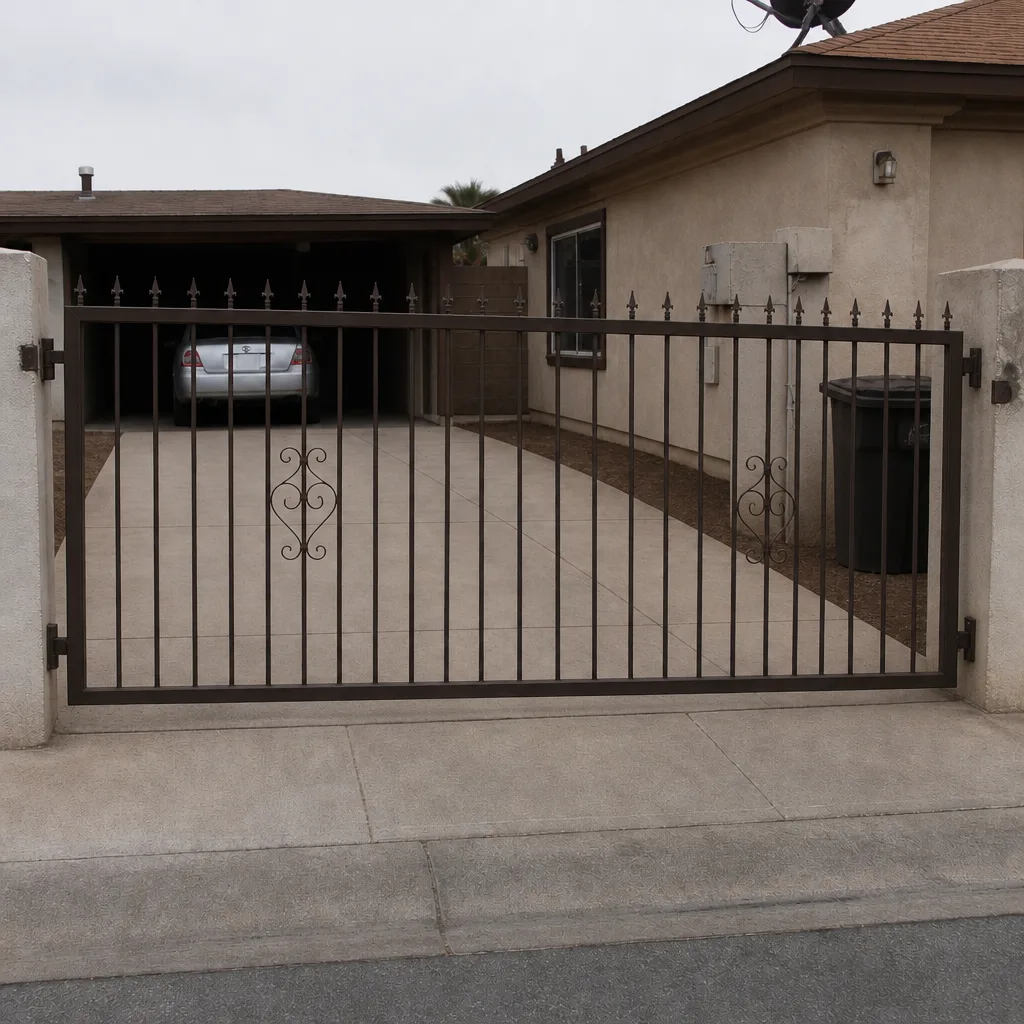 After
When to Call a Professional
Some gate problems are maintenance, and some are genuinely dangerous. A gate operator is tied into line voltage, and a gate under spring or motor tension can release without warning if the wrong bolt is loosened. If you’re seeing hesitation, reversal, or a gate that’s clearly binding, don’t stand inside its path to test it. If the operator is grinding or straining, stop running it. And if you’ve lost a hinge, a latch, or a post, that’s a structural repair, not a maintenance job. In those cases, call a professional.
If you’ve caught the warning signs early and want an accurate answer before deciding what to do, we can help. Gatewood Fence & Gate in North Las Vegas offers free estimates in North Las Vegas, and we come out to look at the gate, not to talk you into a replacement. Call (844) 761-9351 for a free estimate.
Frequently Asked Questions
The first sign is usually a half-second hesitation before the gate moves, or a new sound at the hinges. Both mean something is binding and the operator is working harder than it should, and both are cheap to fix early. Call (844) 761-9351 for an exact quote if you notice either.
We can often repair a gate the same day when the problem is a hinge, a latch, or a track, and we answer a live person around the clock to talk through what you’re seeing. We offer upfront pricing, so you’ll know the price before any work starts. Call (844) 761-9351 to see what’s available today.
Gate repair in North Las Vegas typically ranges from a small hardware fix to a larger welding or operator job depending on what’s failed. We quote a price and agree on it with you before any work starts, and we have a $40 off offer on any repair over $200. Call (844) 761-9351 for an exact quote; estimates are free.
Yes. We weld on site, so the gate stays in your driveway rather than being hauled off or swapped for parts that don’t need swapping. A sagging gate is a post problem, not a panel problem, and we start at the post. Call (844) 761-9351 for a free estimate.
Yes. We service Mighty Mule, LiftMaster, FAAC, BFT, and several other major brands, and we can often tell you what’s wrong from clear photos of the operator label and the symptom. Call (844) 761-9351 to talk it through.
Every job we do carries the 90-Day Done Right Promise in writing. If it’s not done right, we make it right, and one call brings us back with no runaround. Call (844) 761-9351 if you have a gate that needs a second look.
The Bottom Line
Gates don’t fail suddenly. They warn you for weeks, and the homeowners who listen spend far less than the ones who wait. The most important things to watch for are hesitation, a gate that reverses on its own, new noises at the hinges or the operator, and rust or cracking concentrated at the post rather than the middle. In North Las Vegas, heat and dust speed up all of these, so a quick check at the change of seasons does real good. Document what you see with a few clear photos and a note about the symptom, and you’ll often get an accurate answer before anyone drives out. The name is on the shop, and the shop is down the road. If you’re seeing warning signs, call us and we’ll look at the gate with you.
Written by the team at Gatewood Fence & Gate North Las Vegas.