
Last updated November 17, 2026
 Wrought iron
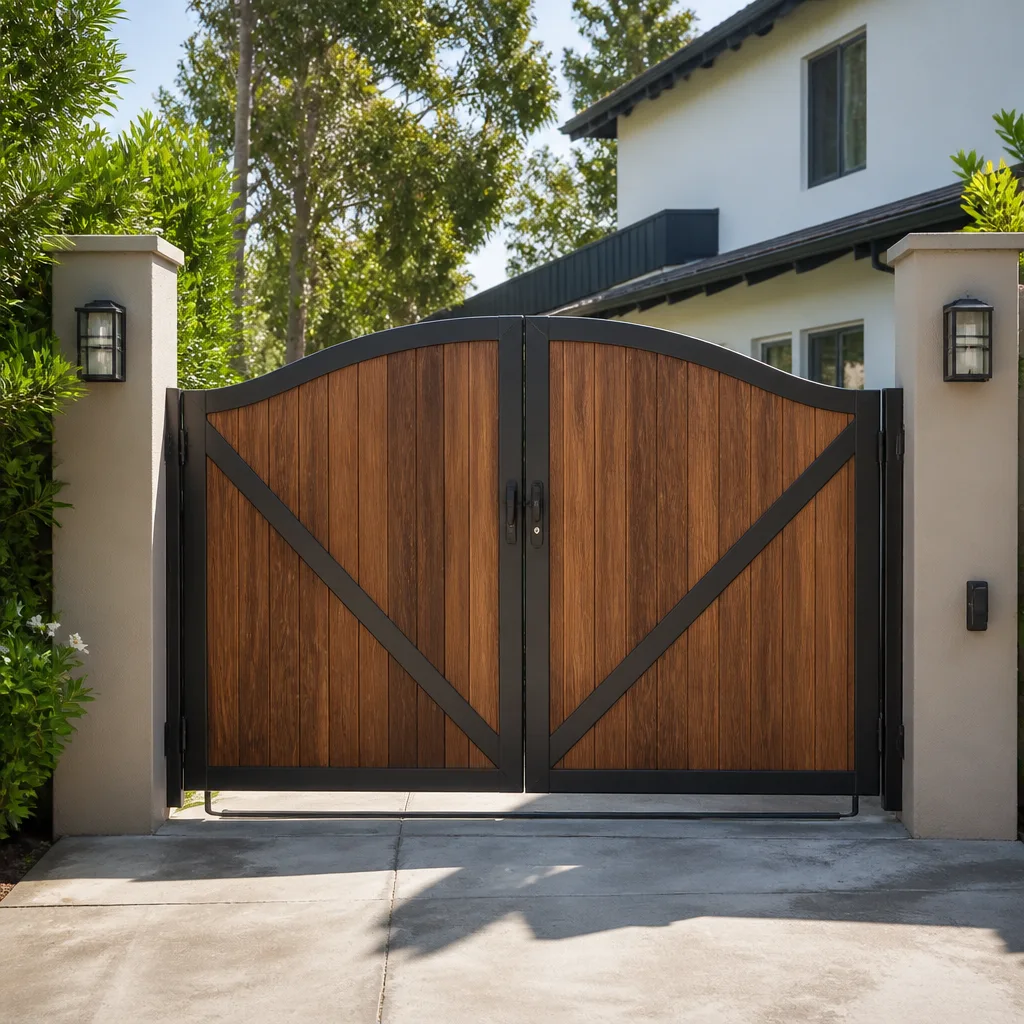 Wood & steel frame
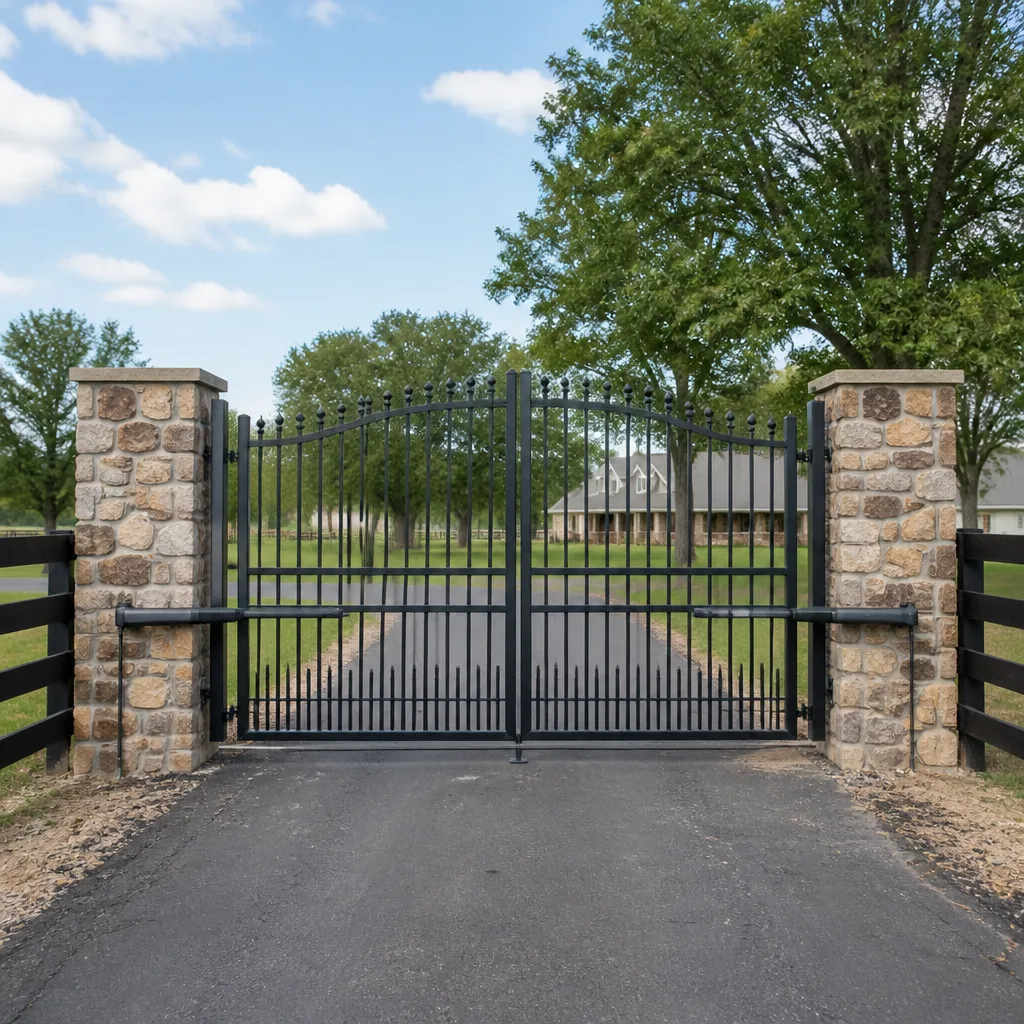 Farm & ranch
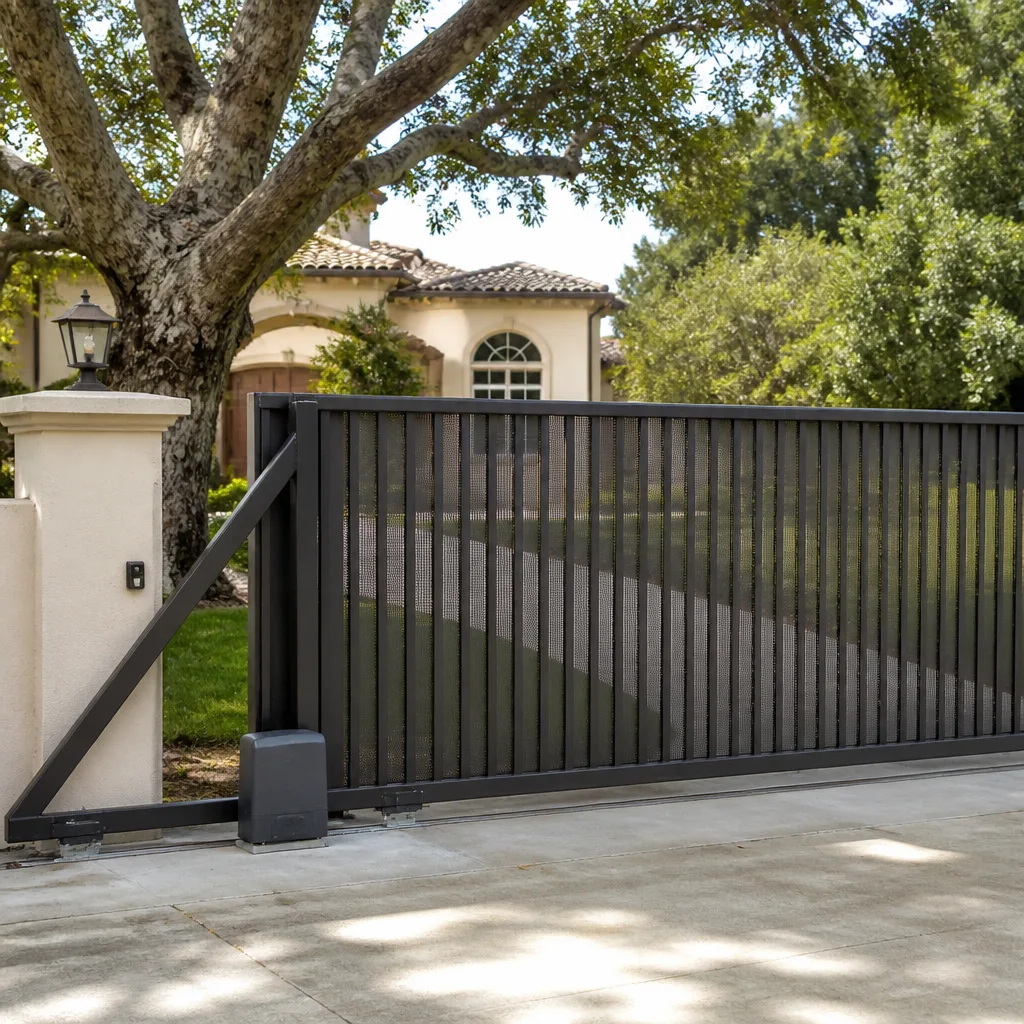 Sliding driveway gates
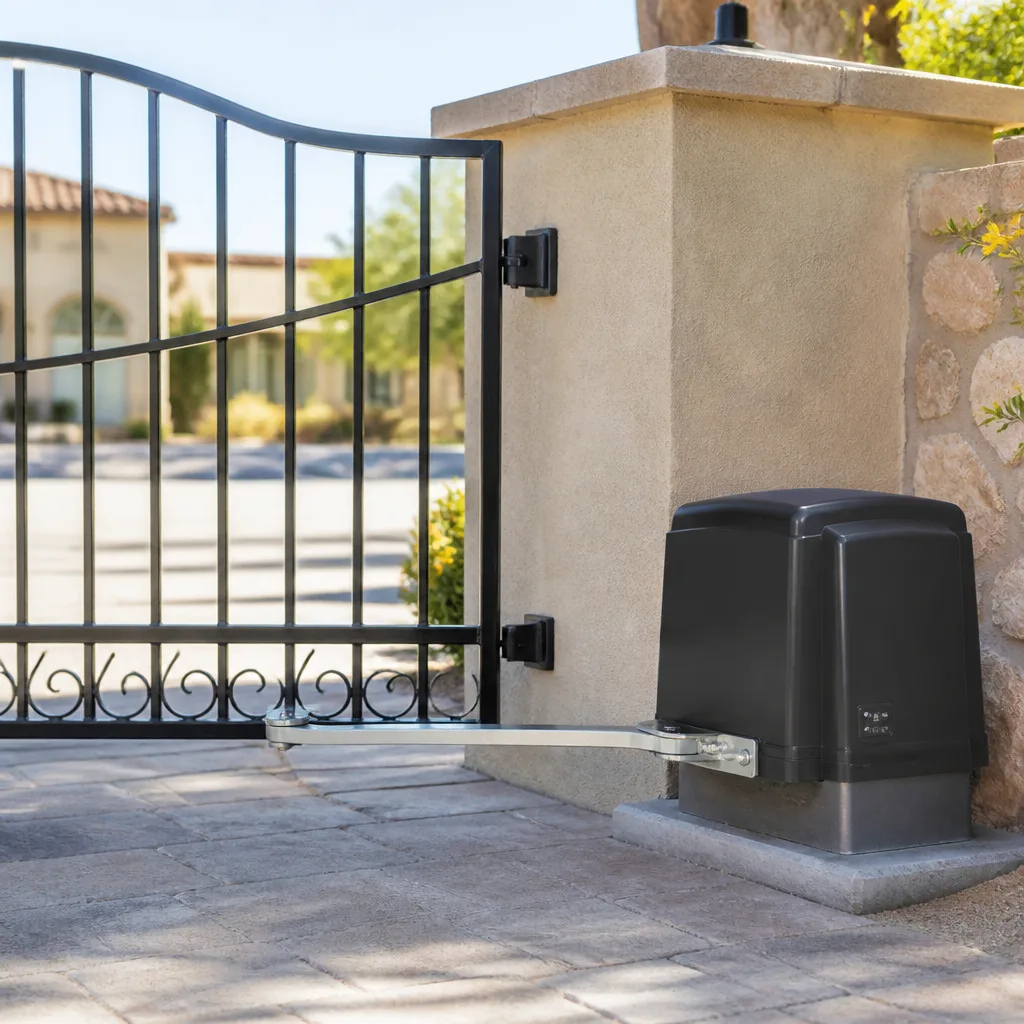 LiftMaster operators
Free on-site gate assessment - hinges, posts, and your LiftMaster or Nice gate operator checked before anything is quoted
The assessment is free and the quote is the invoice.
Get your free estimateGate Motor & Opener Warning Signs Every Homeowner Should Know
The gate that hesitates for half a second before moving is trying to tell you something. Most people wait until it won’t move at all, and by then an $80 fix has become a $400 one. Electric gate motors rarely die without warning. They fail on a curve, not a cliff, giving you weeks of small complaints before they quit for good. The homeowner who learns to read those complaints saves real money. In this guide, we walk through the sounds, the behaviors, and the physical marks that tell you a motor is in trouble, and we explain what each one points to, so you know exactly when to call. We’ve been repairing gates around North Las Vegas long enough to see it happen again and again.
Quick Answer
The main warning signs of a failing gate motor are grinding or clicking on startup, a high-pitched whine under load, the gate reversing randomly, shrinking remote range, an open cycle that takes noticeably longer than it used to, burn marks around the control board, rust staining under the housing, and a gate that now takes more force to push by hand. Any one of these means the motor is struggling; catching it early keeps a minor repair from turning into a full replacement.
Styles & brands we work with
- Wrought iron
- Wood & steel frame
- Farm & ranch
- Sliding driveway gates
- LiftMaster operators
Table of Contents
- Why Gate Motors Fail on a Curve, Not a Cliff
- The Sounds: What Grinding, Clicking, and Whining Actually Mean
- The Behaviors Homeowners Dismiss: Reversing, Short Range, Longer Cycles
- The Visual Signs on the Motor and Control Box
- Warning Signs Specific to Solar-Powered Gates
- The Sign That Feels Like Normal: A Harder-to-Push Gate
- A Simple Monthly Walk-Through
Why Gate Motors Fail on a Curve, Not a Cliff
Gate openers are mechanical devices that wear gradually, and the wear compounds. A bushing dries out, so the arm pulls a little harder, so the motor draws a little more current, so a solder joint on the control board runs a little hotter, so it cracks. Each step is small. Each step makes the next one worse. By the time the gate stops dead, several small failures have stacked up behind one final trigger.
This is why the timing of the call matters more than almost anything else. When a homeowner notices a symptom and calls, we usually find one worn part and a few things worth tightening. Mechanics call that a cheap fix. When the same homeowner waits until the gate stops, we far more often find a burnt board, a seized motor, or a stripped gearbox, because the machine kept grinding away at a problem nobody addressed. The repair bill is not a straight line. It’s a curve that gets steeper the longer you wait.
We see this curve clearly in North Las Vegas. The desert heat works on gate hardware year-round, drying out grease, baking wire insulation, and stressing control boards sitting inside a metal box that can hit 150 degrees in July. That doesn’t crack a motor overnight, but it shortens every part’s life and accelerates the wear chain. Catching the early warning gives you time to fix the real problem before the heat finishes the job.
The Sounds: What Grinding, Clicking, and Whining Actually Mean
Your ears are the best diagnostic tool you own, if you know what you’re hearing. The sounds a gate motor makes point to specific components, and they’re worth paying attention to long before the gate quits. Here’s the plain-language catalog:
- Grinding or growling as it moves: Usually worn gears inside a gearbox or a dry chain and sprocket on a slide gate. Metal is meeting metal without proper lubrication or with teeth that have rounded off. Left alone, grinding turns into a stripped gear and a dead gate.
- Clicking on startup: Often the control board relays, a failing capacitor, or a starter contactor that’s not engaging cleanly. A single soft click is normal; a rapid click-click-click that ends with no movement points to a relay or capacitor on its way out.
- A high-pitched whine under load: The motor is straining to move the gate. That can be a bearing drying out, a hinge binding, or the gate sagging so the operator fights extra weight the whole way. On a swing gate the arm can also be misaligned, forcing the motor to push uphill.
- A rhythmic thumping or clunking: A loose chain, a worn sprocket, or a hinge post that’s shifting in the ground. Swing and slide gates thump differently, and the difference matters.
- Buzzing that never becomes motion: The motor is getting power but not turning. Sometimes a capacitor, sometimes a jammed mechanism, sometimes a bad limit switch telling the board the gate is somewhere it isn’t.
Each of these has a matching repair that’s realistic if it’s caught early. The consistent lesson: a sound you can name is a fix you can plan for. A sound you ignore is a tow to the shop and a bigger bill. In our experience across North Las Vegas and the exurbs beyond, sound is usually the first signal a motor gives, often weeks before anything else changes.
The Behaviors Homeowners Dismiss: Reversing, Short Range, Longer Cycles
Behavioral warnings are the ones people write off as quirks. They’re not quirks. Each maps to a developing failure, and each is a natural trigger for a Gate Repair in North Las Vegas visit while the fix is still small.
- The gate reverses randomly. It starts to close, then stops and opens back up on its own. That’s usually a safety sensor tripped by something real (misalignment, sun glare, dust on a photo-eye), a limit switch drifting, or the controller interpreting the extra current draw of a failing motor as an obstruction. Random reversals are the classic “it’s wearing out somewhere” behavior.
- Remote range shrinks. You used to open the gate from the driveway; now you have to be right at the post. Weak openers and receivers, aging batteries, or a control board losing sensitivity all produce this. It’s an early sign the electronics are aging, and it gets worse fast.
- The open cycle takes longer. A gate that once opened in twelve seconds and now takes eighteen is doing more work per cycle than it’s supposed to. Usually that’s binding, worn rollers, a lower battery on a solar rig, or a motor losing torque under heat.
- You have to press the button twice. A signal that doesn’t register on the first press often means a dirty contact at the control box, a fading capacitor, or a receiver relay on the way out.
Each behavior is a small clue on its own. Two or three together, and you’re looking at a machine that’s clearly telling you to schedule a repair. The one thing we’d push back on: don’t adjust the limits or reprogram the board to “fix” a reversal yourself. That masks the symptom without touching the cause, and on North Las Vegas gates where the photo-eye gets baked in the sun, it usually makes the next failure harder to find.
The Visual Signs on the Motor and Control Box
You don’t have to open the housing to see these, but a quick look at the motor and the control box every month or so pays off.
- Burn marks or discoloration on the control board. Brown or black spots around a relay, a capacitor, or a solder joint mean heat has been concentrated somewhere it shouldn’t be. That’s a board on borrowed time. Replace it before it takes the motor with it. Never probe inside a live control box: line voltage and stored charge can seriously injure you, and this is a job for a trained hand.
- Rust staining below the motor housing. A gate motor shouldn’t leave a rust trail down the post. It means moisture is getting in somewhere, usually a failed seal or a housing that’s no longer tight. In the North Las Vegas heat and dust combo, a seal dries out and cracks quickly, and the rust is the fingerprint.
- Frayed or brittle wiring. Desert sun makes wire insulation brittle within a few summers. Cracked insulation on the power or sensor run creates shorts, false obstructions, and intermittent failures that look random. It’s an easy inspection and a realistic repair, but it’s also the one most people miss because the wires are hidden.
- Cracked or swollen battery in the control box. A backup battery on a swing opener can bulge as it ages. A swollen battery means it’s no longer absorbing a charge and needs replacement now.
- Loose or missing cover screws, cracked housing, or a crooked motor mount. These are structural warnings. A motor that has shifted on its bracket will misalign with the gate itself, and that misalignment then wears the whole mechanism.
See any one of these and the right move is a real repair, not a reset. The shop pulls up on site and can often weld or replace on the spot. Our Gate Motor & Opener in North Las Vegas team handles this on DoorKing, Elite, Mighty Mule, and LiftMaster units and can recommend a straight fix.
Warning Signs Specific to Solar-Powered Gates
Solar setups tell you about a failing battery in a few specific ways, and these warnings are more reliable (and easier to read) than the diagnostics on a hard-wired motor. Reading them correctly saves the battery and the panel both.
- Longer-than-normal close delay. When the panel has charged the battery all day but the gate still pauses before it closes, that’s often a controller waiting for voltage to stabilize. A tired battery takes longer to settle, so the gate takes longer to move.
- Inconsistent behavior on overcast days. Real sun and shadow shouldn’t change how the gate behaves. If it runs fine on a sunny day and drags on a clouded one, the battery has lost the reserve capacity that used to smooth out low-production days.
- Behavior that changes over the course of a day. Strong in the morning, sluggish by evening after a short charge window. Battery capacity is falling but not yet gone.
- The low voltage light on the controller. If the battery indicator stays on or keeps cycling, treat that as the threshold. In our experience across North Las Vegas solar gates, once the low-battery light stays on through a full sunny day, the battery is done. Replace it now; keeping it in service risks deep discharge that also wears the panel and controller.
One thing worth saying plainly. Solar gate repairs aren’t a place to swap in the first battery that fits. A low-amp battery that misreads the panel can go flat in a week, then drag the rest of the system with it. Half the repairs we make on solar gates at North Las Vegas homes are undoing that kind of shortcut.
The Sign That Feels Like Normal: A Harder-to-Push Gate
This one is the easiest to miss because it doesn’t feel like a failure. It feels like weight. A gate you could push open with two fingers last spring now takes a shoulder. Homeowners say the gate is heavy, or that it never was light, and they live with it for months.
What’s happening is that the gate has developed mechanical resistance, and the motor is fighting that resistance every single cycle. It’s working as hard as it would if the gate were twice the size it is. Every one of those cycles wears the motor a little faster, so the very thing making the gate hard to push is also the thing killing the motor. The chicken and the egg aren’t hard to sort out: the gate is failing first, and the motor is paying for it.
Where the resistance comes from is usually one of a few places:
- Hinges that have dried out, loosened, or dropped their lubricant.
- A hinge post that has begun to move or sag, throwing the gate out of square.
- Rollers or track on a slide gate that have flattened, rusted, or fallen out of alignment.
- The operator arm itself misaligned on a swing gate, fighting the hinge geometry.
The way to read this without guesswork is simple. Open the gate by hand with the motor disengaged (every opener has a manual release; check your manual before you pull it). If it moves smoothly, your motor is working harder than it should for another reason, and that’s worth investigating. If it drags or binds, the gate itself is the problem, and fixing the binding takes the load off the motor before it wears out. A gate sags in the hinge post, not in the middle, and that is where a good repair starts. Fix the panel without the post and you’ll fix it twice.
A Simple Monthly Walk-Through
Give your gate five minutes once a month. That routine catches most of the signs on this page before they turn into a shutdown. Here’s the sequence we recommend for North Las Vegas homeowners:
- Listen. Run one full open-and-close cycle. Name every sound. Compare it to last month.
- Watch. Does the gate move at its usual speed? Does it reverse or stutter?
- Test the remote from farther away. Note how close you need to be. If the range has shrunk, note it.
- Push by hand with the motor disengaged. Is the drag the same as last month? Any new grinding or binding?
- Look at the control box. Check for discoloration, moisture, rust streaks, or frayed wiring. Never open a live control box; if you see something concerning, close it and call.
- On solar gates, check the indicator light. Any low-battery warning that stays on through sunny weather is a battery replacement call.
- Walk the fence line. Check hinges, rollers, and the hinge post for looseness, rust, or tilt.
If any of those steps surfaces a problem, stop using the gate until a pro looks at it. Running a struggling operator makes every other part wear faster, and the marginal cost of a diagnostic visit is nothing compared to a replacement motor. Our Gate Installation in North Las Vegas team can also walk a new gate through the same hazards on the day it’s set up, so the warning signs are never a mystery from day one.
Common Mistakes to Avoid
- Waiting for the gate to stop completely before calling. By then a $80 sensor or limit switch is usually a $400 board-plus-motor situation. The whole point of watching the signs is to beat that curve.
- Turning up the sensitivity on the control board to mask a reversal. You’ll disable the safety sensor’s real job, and the actual cause (binding, worn rollers, a drifting limit) keeps grinding away.
- Replacing the battery on a solar gate without checking the panel and charge controller. A tired battery is often a symptom. Pushing a new battery into a system that isn’t charging it properly just repeats the same failure in a few weeks.
- Greasing everything you can reach. Not every gate component wants grease, and the wrong lubricant in desert dust turns into grinding paste. Ask before you grease.
- Ignoring a gate that’s harder to push. It’s the single most-missed warning sign, and it’s the one that costs the most in motor wear.
- Hiring someone who won’t show you a written estimate before turning a wrench. Upfront pricing should be on paper. If it’s not, you’re likely looking at a bill that changes at the door, and that’s exactly the scenario most North Las Vegas homeowners are trying to avoid.
- Forgetting the 90-day check on a fresh repair. If something new creeps in during the first few months, call before the guarantee window closes; the Done Right Promise is why it’s written down instead of buried in fine print.
See the difference
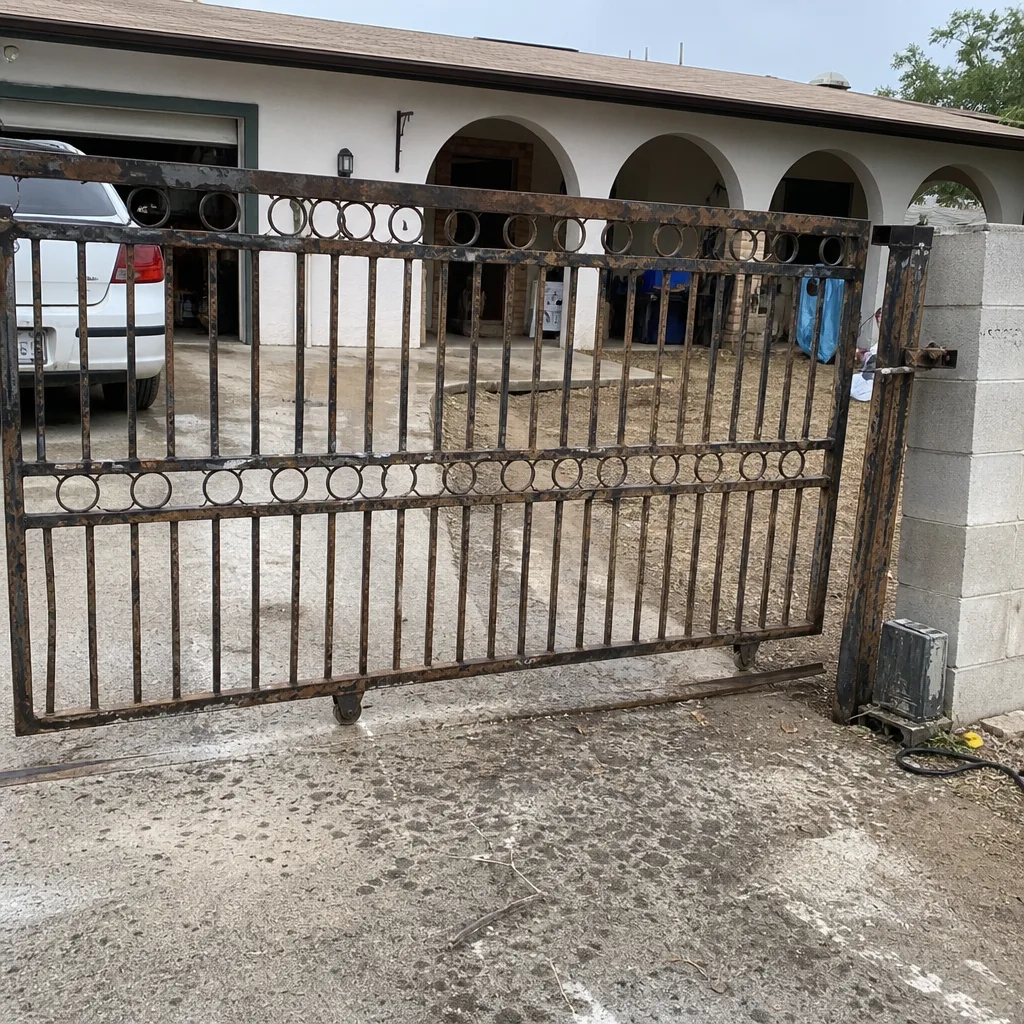 Before
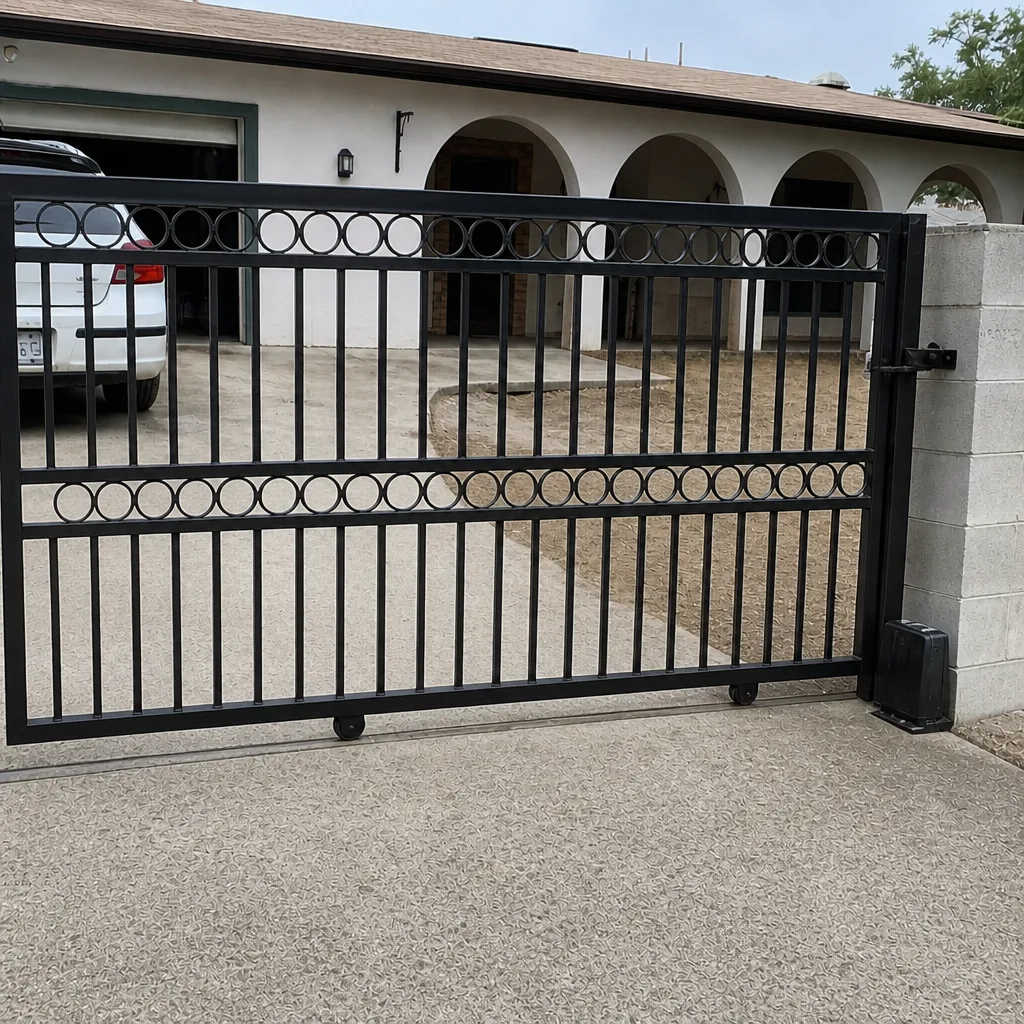 After
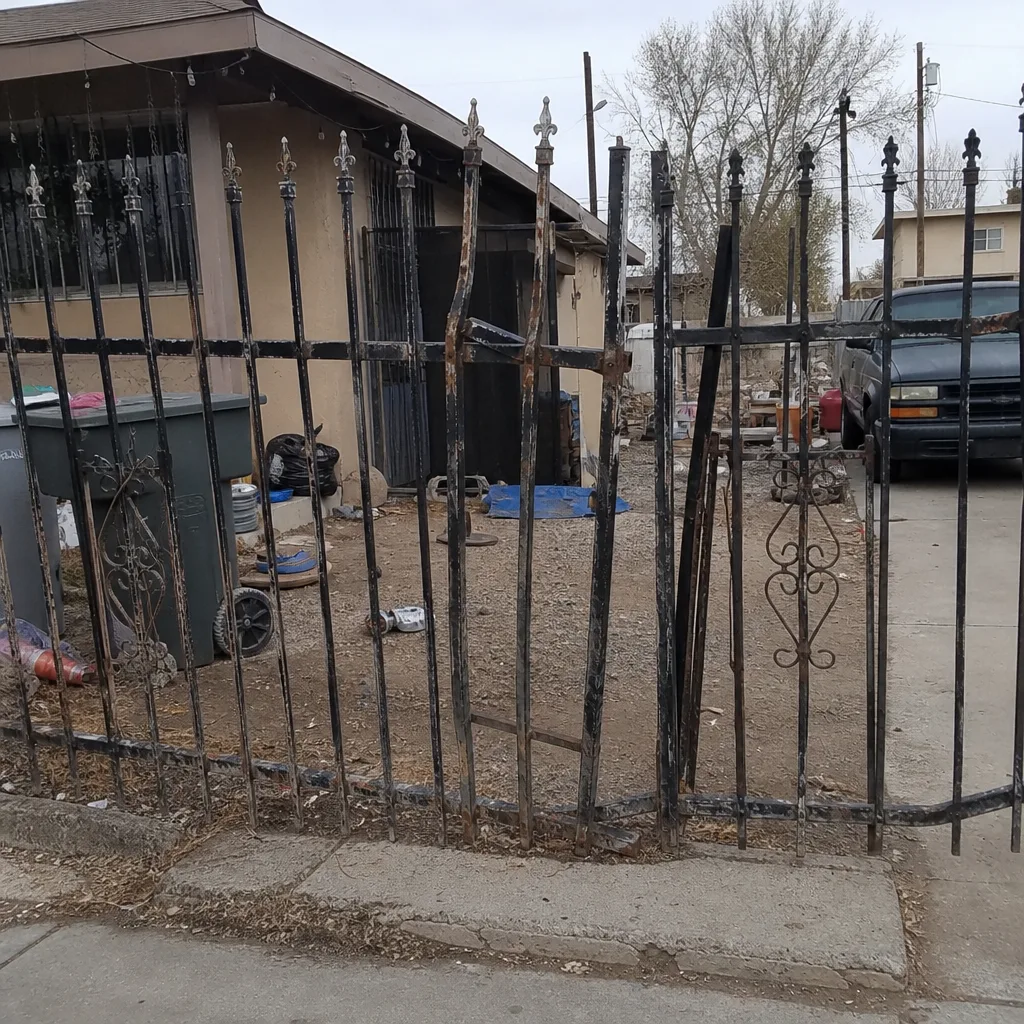 Before
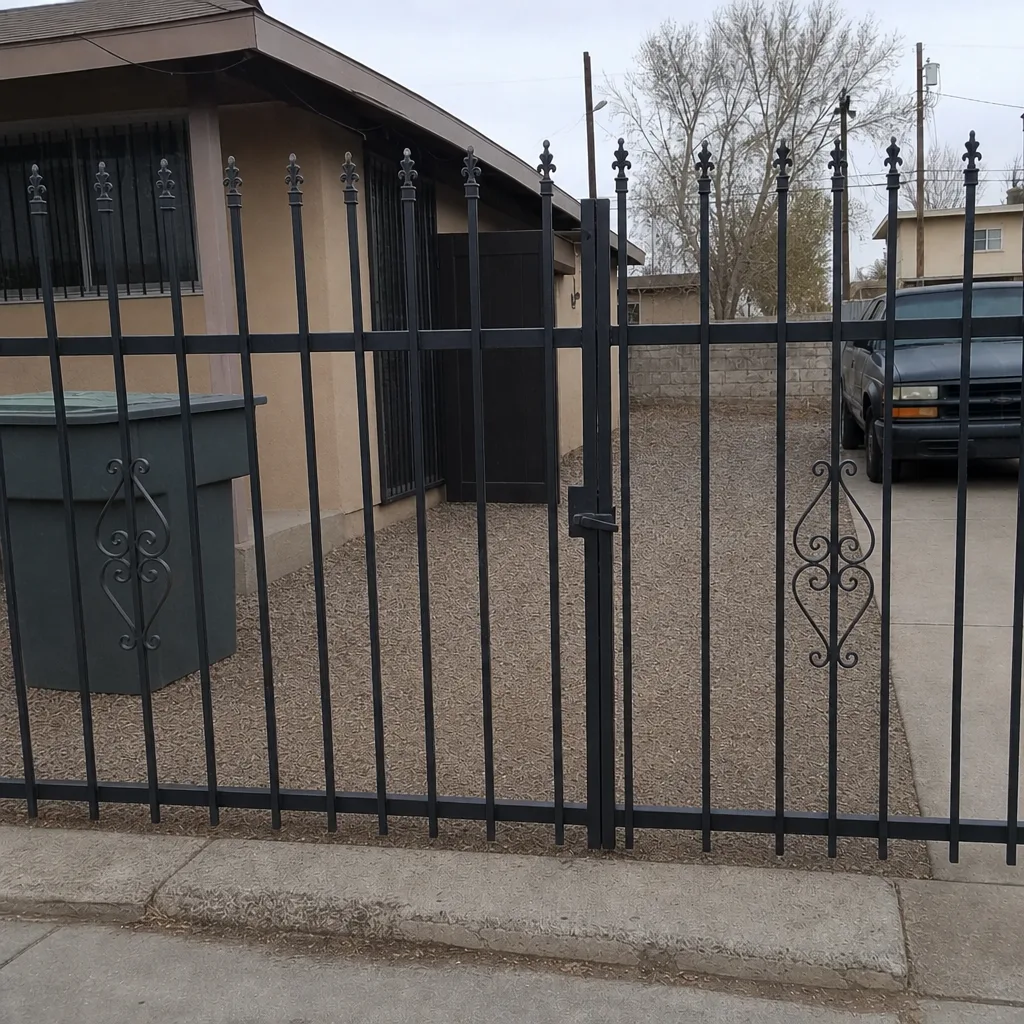 After
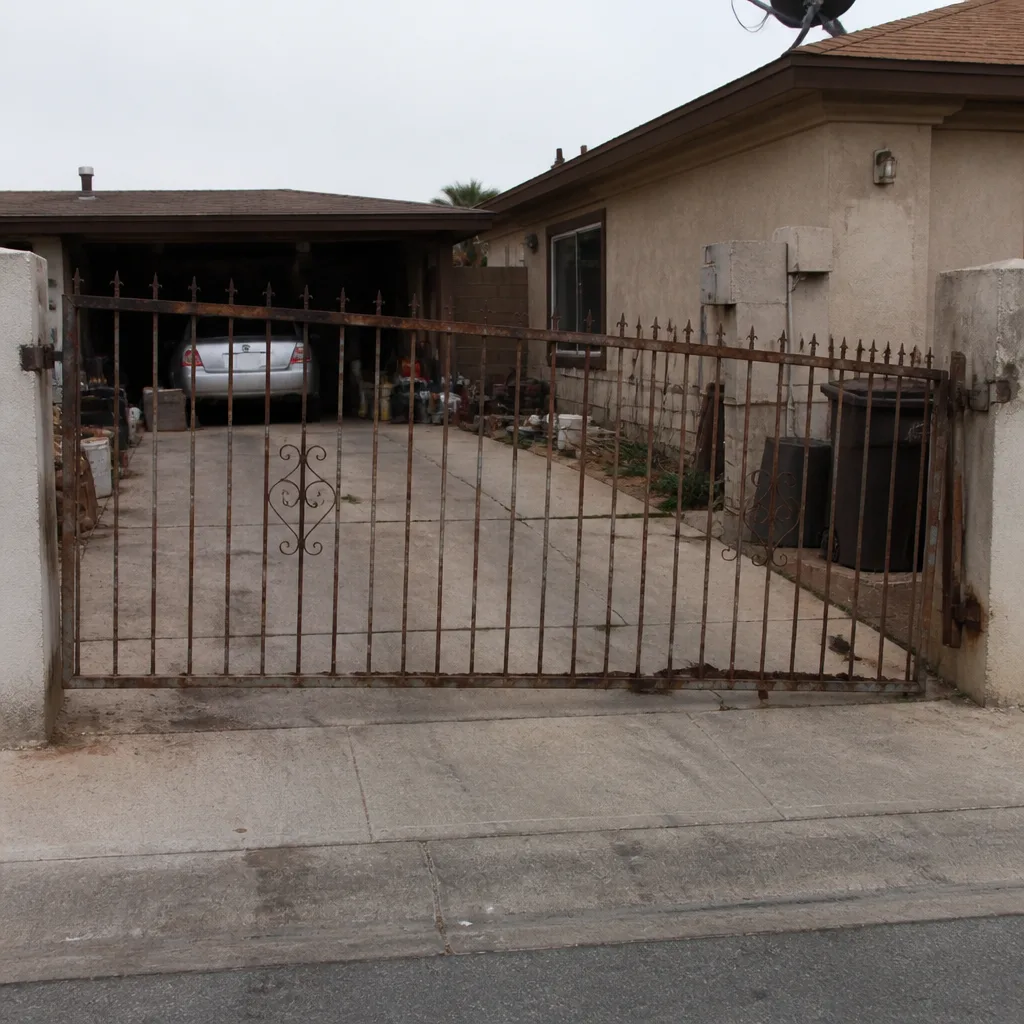 Before
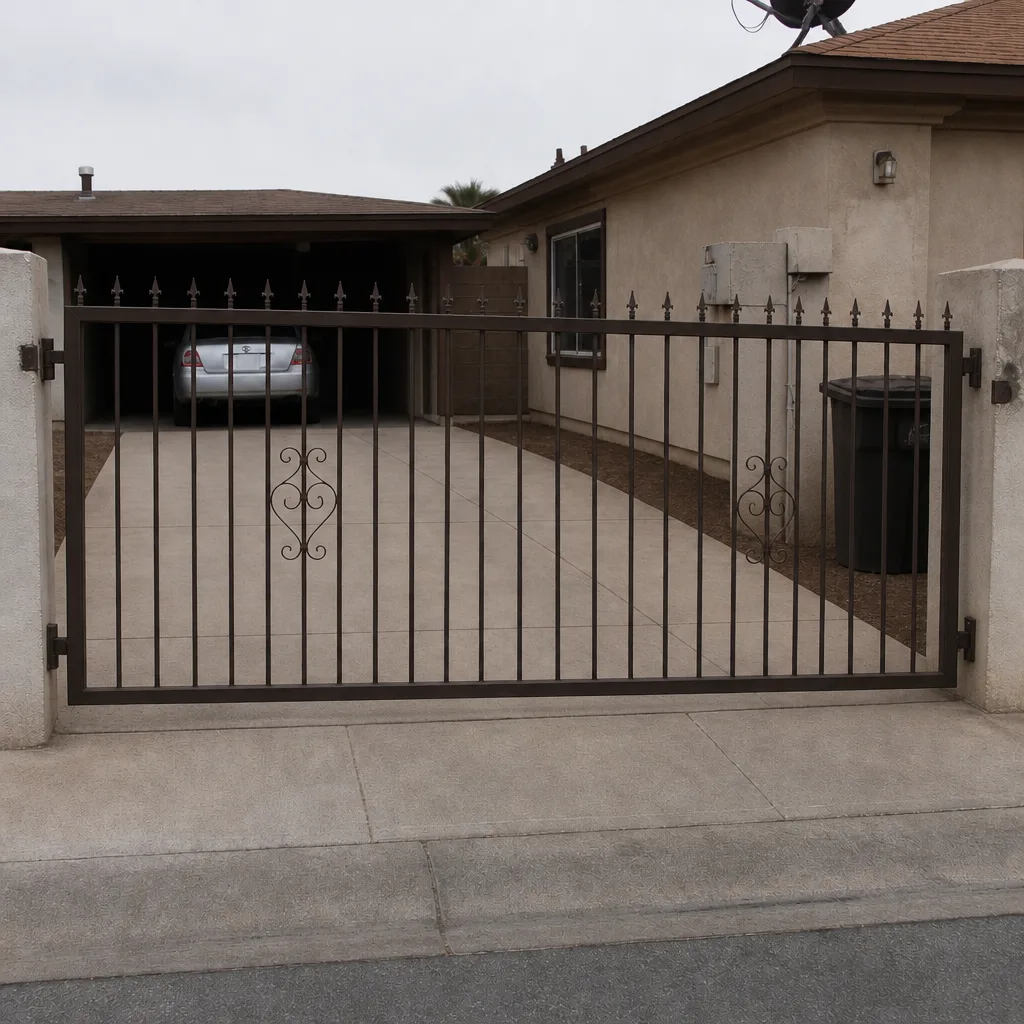 After
When to Call a Professional
Call a professional the moment you see heat damage on a control board, smell burning, see exposed wiring, or find a gate that moves on its own or reverses unpredictably. Those are safety and electrical issues, not something to investigate with a screwdriver in your driveway. Call, too, if the gate is dead, if the manual release won’t free it, or if the motor is in a housing you’re not comfortable opening. On anything solar, a persistent low-voltage light or a battery that won’t hold a charge through a sunny day is a call, not a workaround. We’d far rather look at a gate while the fix is small. Gatewood Fence & Gate North Las Vegas offers free estimates in North Las Vegas. Call (844) 761-9351, and a real person will pick up, day or night, and set up a visit in a window we actually keep.
Frequently Asked Questions
The most common first sign is a change in sound: a grinding, a click on startup, or a short high-pitched whine that wasn’t there before. In our experience it’s usually followed within weeks by slower cycles or a remote that needs a closer press. Catch it at the sound stage and a repair is often small. Call (844) 761-9351 for a free estimate and a straight answer.
Most gate motors can be repaired, especially when a warning sign is caught early. Worn gears, capacitors, limit switches, control boards, and wiring are all replaceable, and on-site welding often fixes the gate-side cause without replacing the motor at all. Replacement becomes the honest recommendation when the motor has seized, a gearbox has stripped out, or the board is fried through. We’ll tell you which one you’re looking at and put the price in writing before any work starts.
Gate motor repair in North Las Vegas typically runs from $150 to $450 depending on the part and the brand, with a small sensor or capacitor fix at the low end and a control board or gearbox repair at the high end. Full motor replacement runs more. Prices are always quoted and agreed before we start work, so the number you hear is the number you pay. We also take $40 off any repair over $200, no trip charge inside the county, free second opinions on written estimates, and a permanent 10% discount for seniors and veterans. Call (844) 761-9351 for an exact quote, free.
A gate that reverses by itself is usually tripping a safety circuit: a misaligned photo-eye, a dirty sensor lens, or a limit switch that’s drifted. It can also be the controller reading the extra current draw of a worn motor as an obstruction. Random reversal is not normal operation and it’s worth a professional look, because disabling the sensor is not the fix. Call (844) 761-9351 to get an exact quote; estimates are free.
Once the low-battery indicator on the controller stays on through a full sunny day, the battery is ready for replacement. Before that threshold you’ll usually see longer close delays and sluggish behavior on overcast days. All three can show up in our desert summers. If your solar gate has gone from strong in the morning to sluggish by evening, have the battery and the charge controller checked before the battery fails and takes the panel with it.
Yes, most gate repair calls in North Las Vegas are handled the same day when parts are on hand, and a live person answers every call around the clock. Motor and gearbox replacements may need a part ordered and a short return visit, which we’ll schedule in a window we’ll actually keep. Installation and new gate work is measured, ordered, and scheduled, so you get a written price instead of a same-day promise we can’t honor. Call (844) 761-9351 and we’ll tell you exactly what your gate needs and when we can be there. More about our shop and how we work is at our Gatewood Fence & Gate North Las Vegas home page.
The Bottom Line
Gate motors talk to you for weeks before they give up. Grinding, clicking on startup, a whine under load, random reversals, shrinking remote range, longer cycles, heat marks on the board, rust staining, frayed desert-baked wiring, and that increasingly heavy gate all point to a developing failure. The whole game is catching them while the repair is a small one instead of waiting until the gate stops and the bill doubles. A five-minute monthly walk-through is the cheapest insurance on the machine. If your gate has started to give you a warning, don’t wait for the cliff. Call (844) 761-9351 for a free estimate and a straight, upfront price before any work begins.
Written by the team at Gatewood Fence & Gate North Las Vegas.